What Tennis and Pickleball Really Cost in San Diego in 2026
22 September 2026 · 8 min read
San Diego's mild weather means tennis, pickleball and padel are basically year-round sports here, which is exactly why the cost question gets confusing fast. A player can spend nothing beyond gas money playing on a public court, or a few hundred dollars a month on a private academy and a club membership — and most people land somewhere in between without ever comparing the options side by side. This guide walks through what actually drives the cost of playing racquet sports in San Diego in 2026: court access, lessons, gear, and the club memberships that bundle it all together. Where a listing publishes real numbers, we quote them. Where it doesn't, we say so — check current rates directly with the club or coach before you commit.
Why "cost" is the wrong first question
Before comparing dollar figures, it helps to separate the two kinds of spending: access costs (what it takes to get on a court at all) and improvement costs (lessons, clinics, coaching that make you better once you're there). A lot of the sticker shock people associate with tennis and pickleball is really the improvement side — private lessons and academies — not the access side, which in San Diego is often cheap or free through the city's park system, homeowners' association courts, and nonprofit community clubs.
The other variable is whether you want reserved, guaranteed court time or are fine competing for open, first-come courts. Reserved time — through a club membership or a booking platform like CourtReserve or Playtomic — almost always costs more than walk-on public courts, but it removes the frustration of showing up to a full court on a Saturday morning.
Keep both distinctions in mind as you read the rest of this guide, because they explain most of the price spread between the options below.
Public courts and nonprofit clubs: the affordable base layer
San Diego's cheapest path onto a court runs through its network of city parks, HOA recreation facilities, and small nonprofit tennis clubs that predate the current wave of pickleball construction. These aren't glamorous, but they're real courts, often lit for night play, and usually free or close to it for residents.
Lake Murray Tennis Club is a nonprofit that runs 10 courts and lets reservations be made up to four days ahead by phone or at the clubhouse. Court use is complimentary for members, guests pay a nominal daily fee, and an annual membership renews each March (prorated for anyone joining mid-year). That's a useful model to understand because several other nonprofit clubs in the county work the same way: a modest annual due funds the courts, and the marginal cost of playing on any given day is close to zero.
Tierrasanta Tennis Club, based at Tierrasanta Community Park, follows a similar structure — individual and family memberships, court booking through CourtReserve, and set hours for members (7 a.m.–9 p.m. daily) versus more limited guest windows on weekday afternoons and Saturday mornings. Neither club publishes its exact membership rate online, which is typical; you'll need to call or check the sign-up page for the current number.
If you live in a community with its own recreation club, check there first. High Country West Rec Club, for example, bundles tennis courts with a pool, wallyball/racquetball courts, and a basketball court as part of its HOA-adjacent amenities, with seasonal hours (8 a.m.–10 p.m. in summer, 8 a.m.–9 p.m. off-season). If your HOA dues already cover a facility like this, it's usually the lowest-cost way to play regularly. You can browse more options in the directory's San Diego tennis clubs and recreation centers listings.
Private lessons and academies
Once you want structured improvement — footwork, technique, match strategy — you're looking at private or small-group instruction, and this is where the widest price range shows up citywide.
Cali Tennis Academy focuses on junior development through private lessons and group clinics, built around what the academy describes as three coaching pillars: consistency, footwork, and mental toughness. As with most independent coaching operations, rates aren't posted publicly — you'll need to call or email to get current pricing and see what age groups and levels a given session is built for.
Player's Edge Tennis School is another highly rated option in the same category. As with the academy above, contact the school directly for its current lesson packages rather than assuming a price — junior, adult, private, and semi-private rates vary enough between coaches that no single number applies citywide.
A practical way to shop for lessons: ask each coach or academy for (1) their hourly private rate, (2) their group clinic rate per session, and (3) whether they require a court fee on top of instruction if you're not already a club member. That third question matters — a coach working out of a private club may pass along a guest court fee that isn't part of their quoted lesson price. The full list of instructors is in the directory's San Diego tennis lessons and coaches category.
Pickleball and padel: the newer cost questions
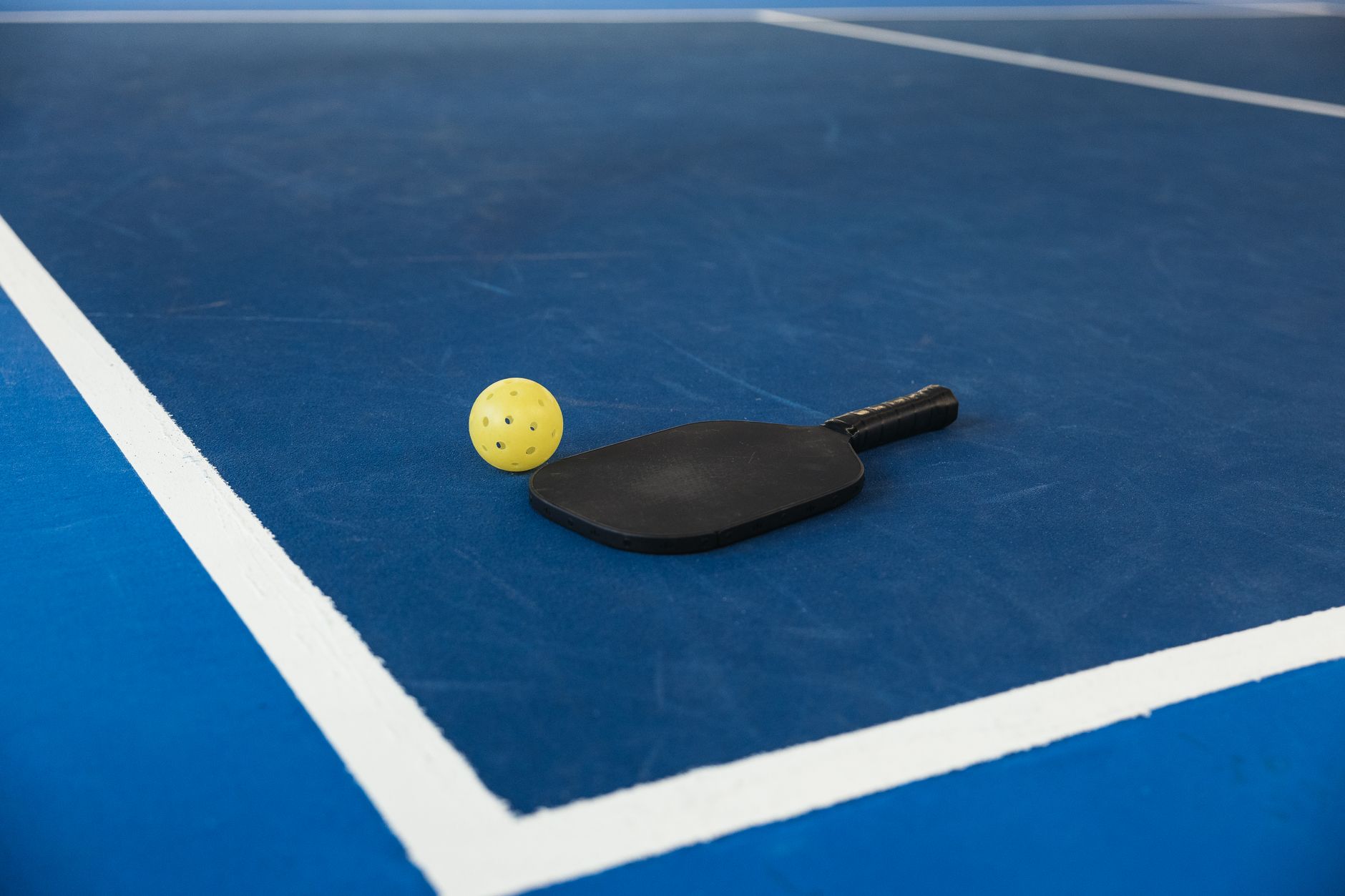
Pickleball and padel have grown fast enough in San Diego that pricing here is less standardized than tennis — some facilities are membership clubs, others are pay-per-session, and a few are free city courts that just happen to be striped for pickleball.
San Diego Pickleball Club runs 8 outdoor courts with reservations through CourtReserve, plus open play, clinics, competitive leagues, round robins, and private lessons. Pricing isn't posted on the site, so budget for a mix of a possible membership or per-session fee (check directly) and separate private lesson rates if you want coaching.
Padel is newer still. Taktika Padel operates locations across San Diego and Carson with court booking through Playtomic and everything from private coaching to group clinics. Padel courts are more expensive to build than pickleball courts (they're enclosed), which tends to show up as a premium in per-session or membership pricing relative to pickleball — but again, get the current number from the club rather than assuming.
If you're pickleball-curious and want to try it before spending anything, start with a free public court — many San Diego parks have added pickleball striping to existing tennis or basketball courts — before joining a dedicated club. The directory's pickleball courts and clubs and padel clubs categories cover both.
Comparing the main paths
Here's a rough framework for how the main ways to play stack up on cost structure (not exact dollar amounts, which you should confirm directly with each listing):
Path
Typical cost structure
Best for
City park / free public court
Free, first-come, first-served
Casual players, budget-conscious beginners
HOA or community rec club
Often bundled into existing dues
Residents of communities with courts already built
Nonprofit tennis club (e.g., Lake Murray, Tierrasanta)
Modest annual membership, near-free daily play
Regular players who want reserved courts without club-level dues
Private lessons / academy
Per-session or per-package, coach-set
Players focused on technique and improvement
Pickleball or padel club
Membership or per-session, platform-booked (CourtReserve, Playtomic)
Players who want guaranteed, bookable court time
The pattern across every row is the same: access is usually the cheap part, and structured coaching is the part that adds up. If your budget is tight, prioritize a nonprofit club or HOA facility for court access, and treat lessons as an occasional add-on rather than a recurring monthly line item.
Gear, stringing and the hidden costs
Court and lesson fees get most of the attention, but equipment is a real recurring cost too, especially for anyone playing more than once a week.
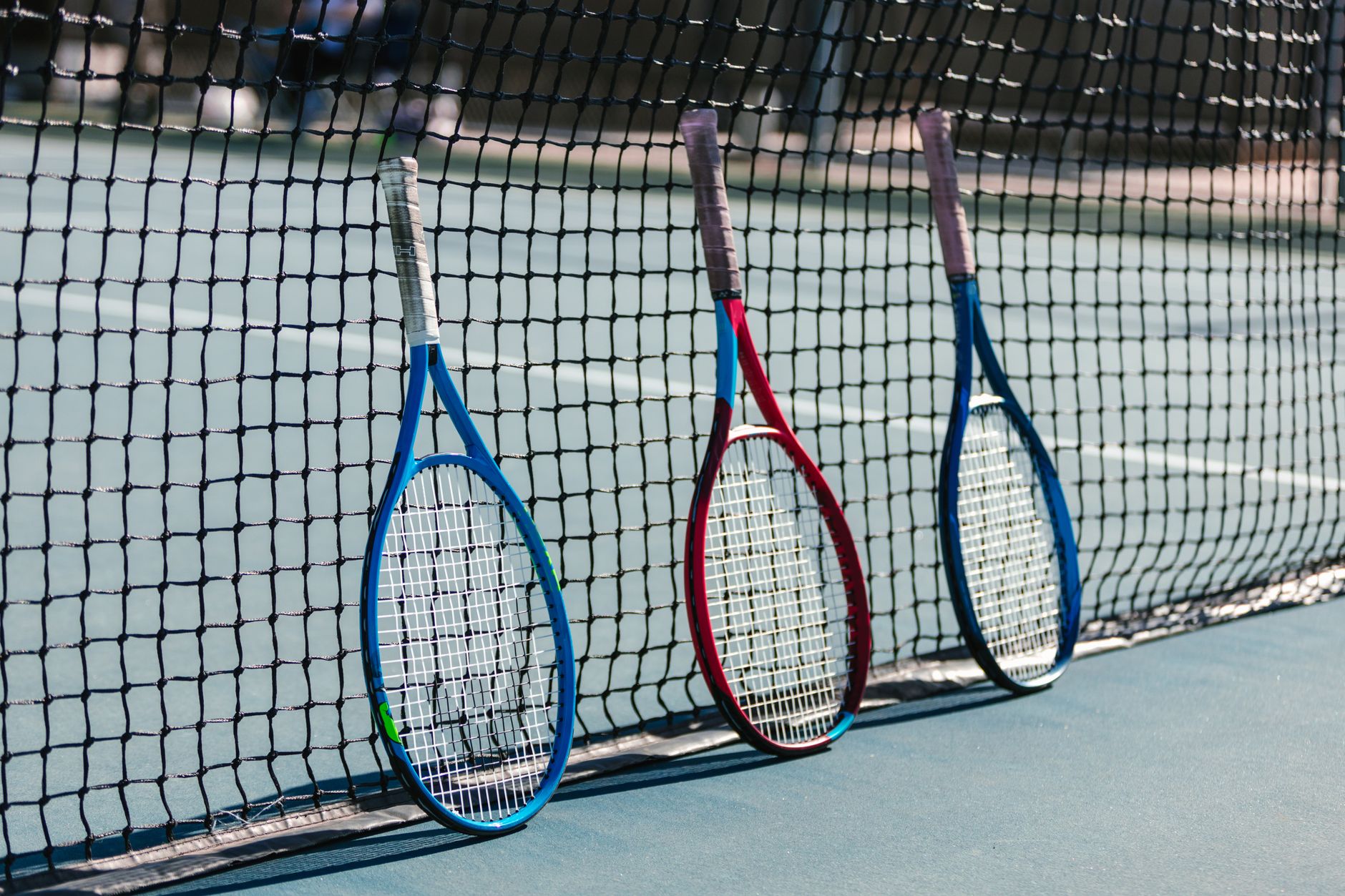
A tennis racquet needs restringing periodically — how often depends on how much you play and how hard you hit, and a local stringer or pro shop can tell you what's realistic for your racquet and string type. Ask any pro shop attached to a club (several in the directory's Tennis Stores & Pro Shops category, where available) for their current stringing turnaround and price rather than guessing. Pickleball paddles don't need stringing but do wear out and get replaced more often than most players expect, especially with heavy use on outdoor courts. Padel racquets sit in between — solid, but still subject to wear from the enclosed-court surface.
Other costs worth budgeting for: court shoes (tennis and pickleball both put lateral stress on regular running shoes and wear them out faster), balls (tennis balls lose bounce within a few sessions of hard play), and tournament or league entry fees if you get competitive. None of these are large individually, but together they can rival what you're spending on lessons.
How to budget your first year
If you're starting from zero in San Diego, a reasonable sequence looks like this: play on a free public court or your HOA's facility for the first month to confirm you'll stick with the sport, then add a handful of private lessons to fix the basics, then decide whether a club membership is worth it based on how often you're actually playing. Skipping straight to a club membership before you know your own playing frequency is the most common way people overspend in their first year.
For families, check whether the tennis or pickleball facility your kids might use is run through the city, an HOA, or a nonprofit club — those tend to have simpler, more transparent guest and youth policies than private academies, even if the academy's coaching is excellent. And whichever category you're shopping in, call ahead: almost none of the operators covered here post full pricing online, and a five-minute phone call will get you further than searching.
The takeaway
In San Diego, the sport itself is rarely the expensive part — court access through city parks, HOA facilities, or nonprofit clubs like Lake Murray and Tierrasanta is often free or close to it. What varies is coaching and premium club or padel membership pricing, almost none of which is published online, so the single most useful thing you can do before budgeting is call the two or three facilities you're actually considering and ask for their current rate sheet.