Hard, Clay and Grass: How Court Surfaces Change Your Game (2026)
21 September 2026 · 10 min read
Why the Surface Under Your Feet Changes Everything
Ask a club player why they lost a match and they will usually blame their serve, their forehand, or the wind. Ask a touring pro the same question and surface comes up fast. Hard courts, clay courts, grass courts, carpet and cushioned acrylic do not just look different — they change how fast the ball arrives, how high it bounces, how your feet move, and how much wear your knees and hips absorb over a season. A player who dominates on a hard court can look lost on clay, and a serve-and-volley game built for grass can fall apart on a slow red court in Florida. Understanding surfaces is not trivia; it is the fastest way to fix your footwork, your shoe choice, and your string tension before you ever change your swing.
San Diego is a useful place to see most of this in person. The county's public parks, university campuses, and private clubs run almost entirely on hard courts, with a scattering of dedicated clay at a few clubs and indoor courts for the rare rainy week. Below is a practical tour of every surface you are likely to play on in the United States, with real San Diego-area courts, clubs, and coaches along the way, plus a comparison table you can screenshot before your next trip.
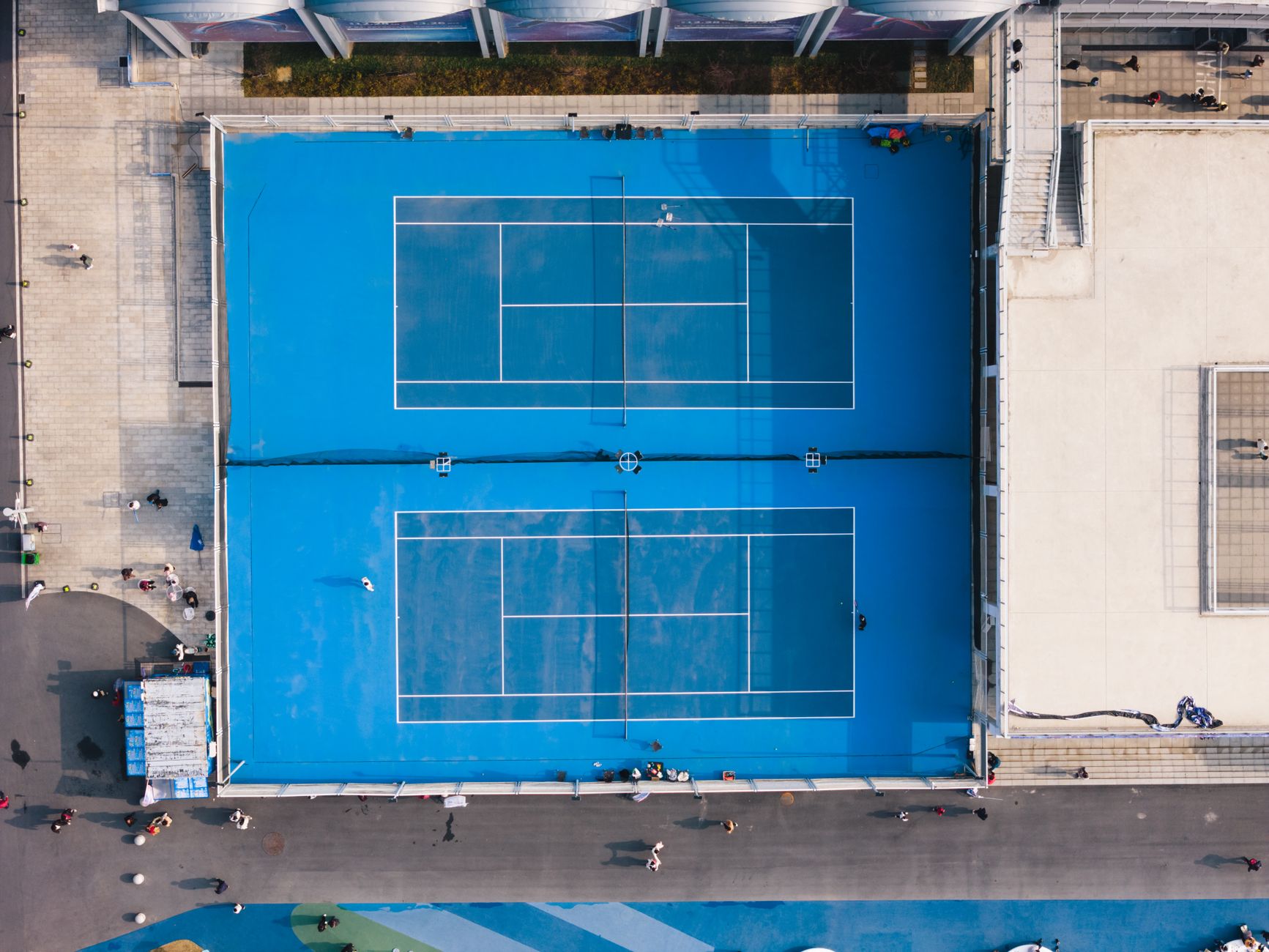
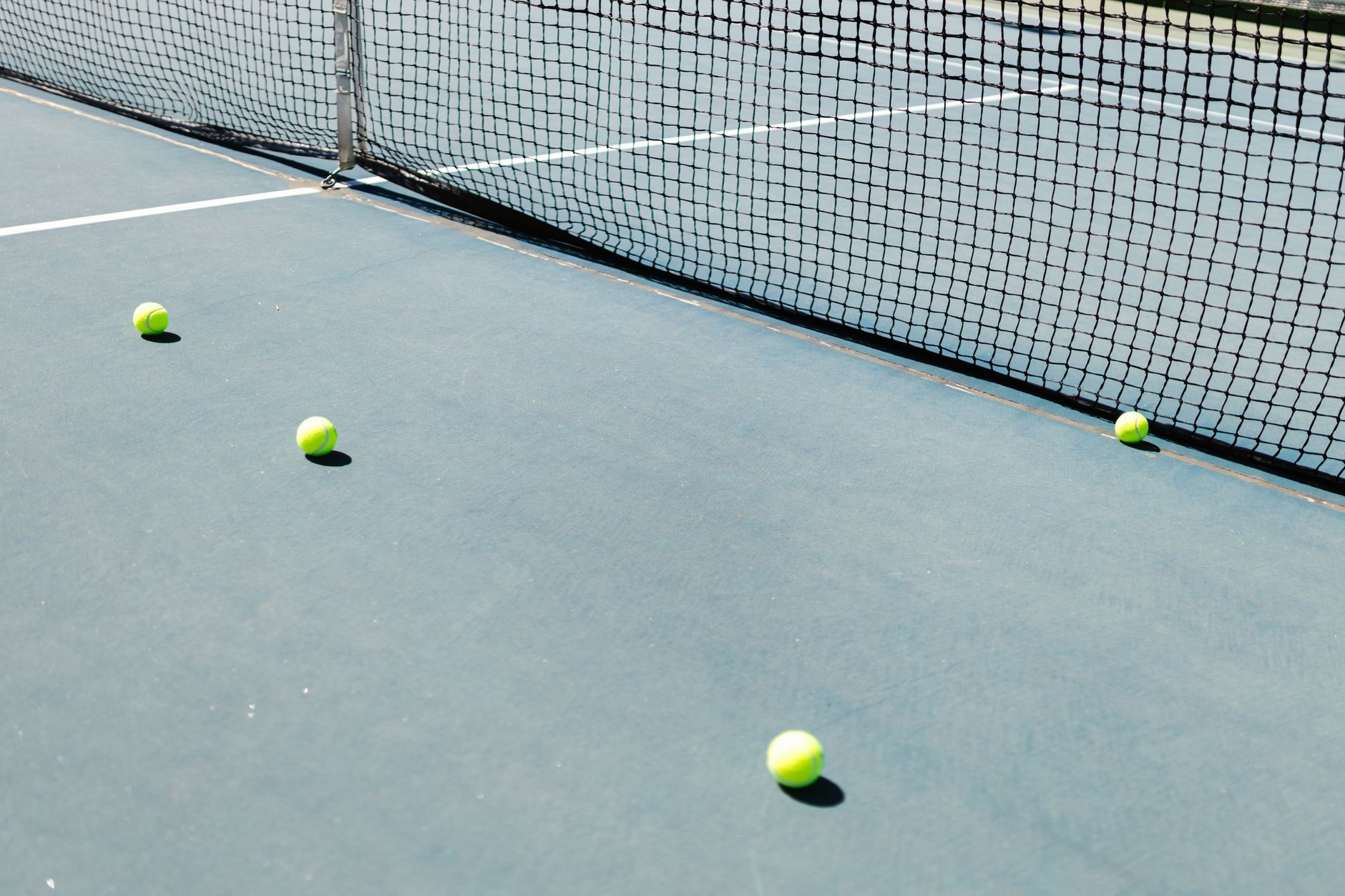
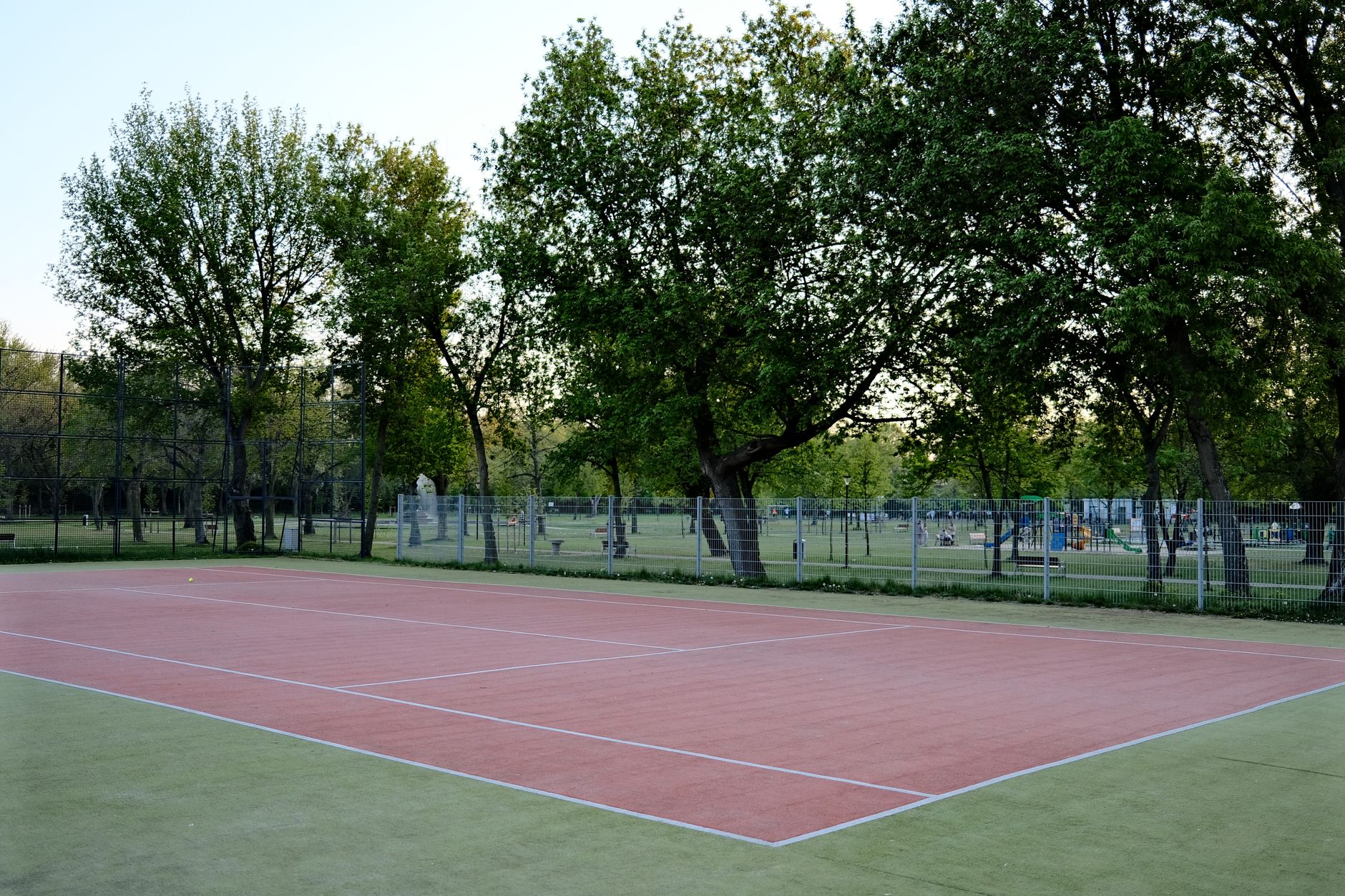
Hard courts — acrylic-coated asphalt or concrete, usually a green or blue playing area inside a contrasting apron — are what most American players grow up on, and for good reason. They are durable, need little day-to-day maintenance beyond occasional cleaning and periodic resurfacing, and play at a predictable, medium-fast pace with a true, consistent bounce. That predictability is exactly why so many junior academies build their programs around them.
On The Rise Tennis Academy in Carmel Valley is a good example of a hard-court development program. Founded in 2017 by coach Brandon Sieh, it grew from four students to more than a hundred, working with everyone from nationally ranked juniors to complete beginners on the hard courts that dominate San Diego's private and public facilities alike.
The tradeoff with hard courts is physical. Because the surface does not give, every step and lunge sends more shock back up through the ankles, knees, and hips than a softer surface would. Sports medicine research on tennis injuries consistently flags hard courts as the surface with the most impact-related strain, one reason shoe choice matters more here than on any other surface.
Clay Courts: Green Har-Tru vs. Red European Clay
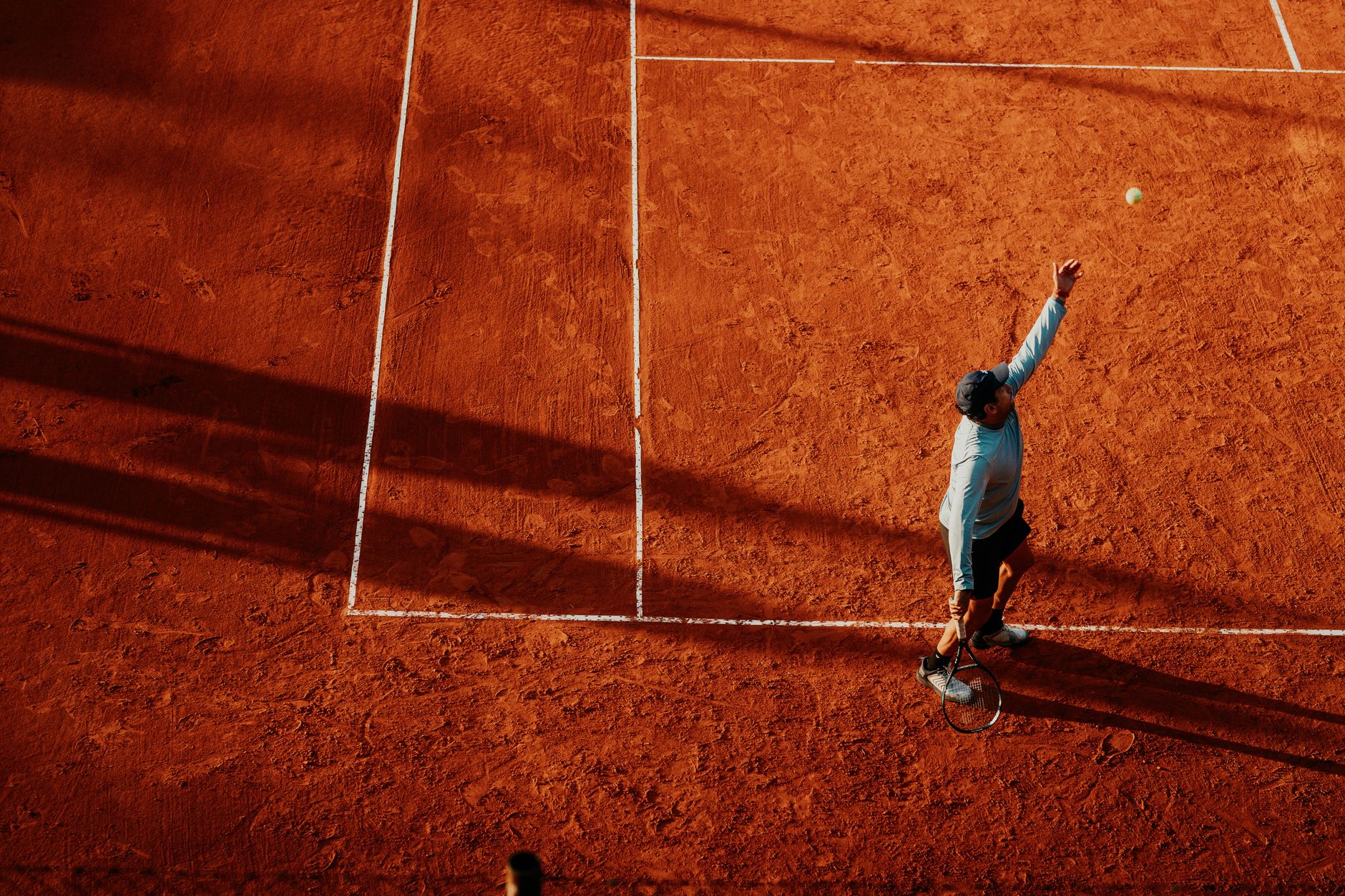
Clay is really two different surfaces wearing the same name. American clubs that offer clay almost always mean green Har-Tru, a crushed-stone surface that plays medium-slow with a true, if slightly higher, bounce than hard courts. European red clay — the surface at the French Open — is made from crushed brick and plays slower still, with a bounce that kicks up more sharply and a surface that responds dramatically to how recently it was watered.
Both clay types let players slide into shots, which changes footwork completely: instead of the abrupt stop-and-plant of a hard court, clay rewards a controlled slide, gentler on the joints but demanding a different set of leg muscles and a longer learning curve. Clay also slows the ball enough that rallies last longer and pure serve-and-volley tactics lose most of their advantage.
Upkeep is the real cost of clay. Both colors need regular watering to keep the top layer from drying out and blowing away, plus brushing and rolling to keep lines true and the bounce consistent — daily maintenance in season, not occasional. That labor cost is why clay is comparatively rare at American public parks and far more common at private clubs with the budget to maintain it, and why it clusters in the humid Southeast, where the climate and a long club tradition both suit it.
Grass Courts: Fast, Rare, and Steeped in Tradition
Grass is the fastest widely-recognized tennis surface and the rarest in the United States by a wide margin. A well-mowed, well-rolled lawn court produces a low, skiddy bounce and rewards quick reactions and aggressive net play far more than patient baseline rallies. It is also the least predictable surface day to day: morning dew, recent mowing, and wear patches near the baseline can change how a ball comes off the court within the same afternoon.
Grass is also the most labor-intensive surface to maintain of any in wide use — mowing, rolling, reseeding, and aerating on a tight schedule — which is why it survives mainly at a handful of historic clubs and at Wimbledon, rather than at public parks or typical private clubs. If you get the chance to play on grass, expect your usual footwork and timing to need real adjustment on the first few points.
Carpet and Indoor Courts
"Carpet" in tennis usually refers to a removable synthetic surface used for indoor events, along with permanent indoor surfaces like cushioned hard courts or synthetic turf-style courts installed inside a bubble or building. Indoor play removes wind and sun entirely, and indoor hard or carpet surfaces tend to play a touch faster than their outdoor equivalents since there is no wind to slow the ball and no sun to soften the surface. Indoor carpet in particular can produce a lower, skiddier bounce similar to grass, though it has become far less common on tour than it once was.
For recreational players, indoor courts mostly matter as a weather backup — useful in San Diego mainly during a wet winter week, but a genuine necessity for clubs in colder climates that need a place to play from November through March.
Cushioned Acrylic and the Modern Hard Court
Most of what gets called a "hard court" today is technically a cushioned acrylic system: layers of acrylic resin over asphalt or concrete, sometimes with a rubberized cushioning layer underneath to soften impact. This cushioned version splits the difference between a bare hard court and something gentler on the body, and it is now standard at newer facilities because it lowers injury risk without sacrificing the low-maintenance durability that makes hard courts practical for high-traffic public use. Courts vary in how much cushioning they use, so the same "hard court" label can still feel different from one facility to the next.
What the Pro Tours Play On
The four Grand Slams make the surface variety concrete. The Australian Open and US Open are both played on hard courts, the French Open is played on red clay, and Wimbledon remains the sport's last grass-court major. That spread is why players who succeed across all four are considered the most complete: a "Career Grand Slam" means mastering a fast hard court, a slow, high-bouncing red clay court, and a low, skiddy grass court within the same season, each demanding different footwork and shot selection.
The broader ATP and WTA calendars lean hard-court and clay-court heavy, with only a short grass season around Wimbledon each summer — a scheduling reality that roughly mirrors recreational play in the United States, where hard courts dominate everyday access.
Surface at a Glance
Surface
Speed
Bounce
Footing
Upkeep
Hard / cushioned acrylic
Medium-fast, consistent
Medium-high, true
Firm and stable; hardest on joints
Low; occasional cleaning, resurface every several years
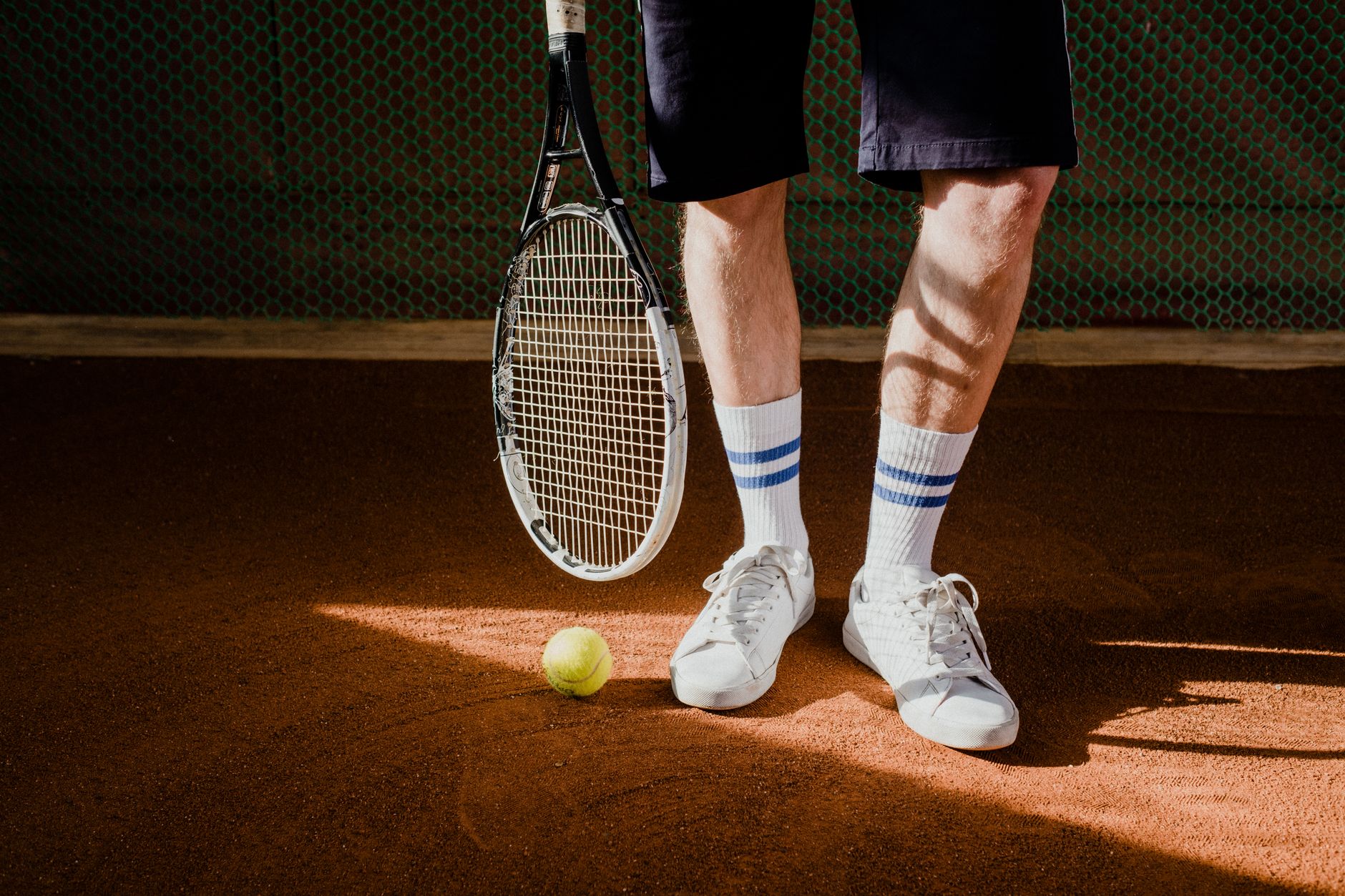
Tennis shoes are built by surface for a reason. Hard-court shoes use the most durable outsoles and the most cushioning, because the surface gives nothing back and abrasion there is greatest. Clay-court shoes use a herringbone-pattern outsole designed to release loose material and support a controlled slide rather than grip and stop abruptly, which is also why clay shoes wear more evenly and often last longer than hard-court shoes. Grass-court shoes use short rubber or nub-style studs for traction on a slick, living surface without tearing up the lawn — a requirement most clubs enforce strictly.
Northview Tennis Courts on the UC San Diego campus in La Jolla is a fair example of the hard-court setting most San Diego players actually train on day to day, which is exactly where a proper hard-court shoe earns its keep over months of regular play.
String choice follows a similar logic. Slower surfaces like clay let players use lower tensions and more spin-friendly polyester strings without losing control, since the surface itself is already generating extra bounce and slowing the exchange. Faster surfaces like grass and some hard courts reward a bit more tension and a string setup built for control over sheer spin, since points move faster and there is less time to correct a shot that flies long.
Adjusting Your Tactics to the Surface
Surface should change your game plan, not just your gear. On clay, patient, high-margin rallies and heavy topspin tend to beat flat, first-strike tennis, because the surface itself neutralizes a big first shot by slowing it down and popping it up. On grass, the low, fast bounce rewards taking the ball early, attacking the net, and shortening points before a bad bounce becomes the deciding factor. Hard courts sit in between, which is part of why they suit the widest range of playing styles and why so much junior development in the United States happens on them by default.
Simple habits carry across every surface: split-step before your opponent contacts the ball, get your racquet back early, and recover toward the center after every shot. But how far you crowd the baseline, how often you approach the net, and how much topspin you load should shift with the surface in front of you.
Peninsula Tennis Club, a nonprofit public park facility at Robb Athletic Field near Ocean Beach, lists twelve fully lighted courts along with tennis mixers, monthly socials, lessons and clinics, USTA tournaments and leagues, and a full-service pro shop offering racquet stringing — a good snapshot of what a well-run public club offers beyond just open court time.
Scripps Ranch Swim & Racquet Club, rated 4.8 from 44 reviews, pairs its tennis program with swimming and squash, making it representative of the multi-sport family clubs common in San Diego's inland neighborhoods.
Player's Edge Tennis School, rated 5.0 from 17 reviews, focuses on lessons and coaching alongside summer camp programs, one of several dedicated instruction-first operations in the area for players who want structured, surface-specific technique work.
Between clubs like these and the county's parks and university courts, San Diego offers a fairly complete cross-section of American hard-court tennis, from casual drop-in play to structured junior development. Beyond the county line, browse more tennis clubs across California.
Pickleball Lines and Shared Hard Courts
Pickleball's rapid growth has changed what a lot of hard courts look like without changing the surface itself. Because pickleball courts are roughly a quarter the size of a tennis court, many facilities add pickleball lines in a contrasting color directly onto existing tennis hard courts, letting the same asphalt or acrylic surface serve both sports on a shared schedule rather than requiring separate construction.
Coronado Tennis Center is a clear example of this shift in practice: it runs eight DecoTurf hard courts alongside a growing number of dedicated pickleball courts, all managed by the same facility, with lessons, leagues, a pro shop, ball-machine rentals, and stringing services serving both sports under one roof. For tennis players used to a full-size hard court, the footwork on an adjoining pickleball court will feel familiar — same firm, true bounce — just compressed into a smaller space with faster reflex exchanges at the net. For more, browse pickleball courts across California.
The Takeaway
Surface is not a minor detail — it is the single biggest environmental factor in how tennis plays out on any given day. If you mostly play hard courts, as almost every San Diego public and school court guarantees, invest in durable hard-court shoes and expect a true, medium-fast bounce that rewards all-around games. If you get access to clay, whether green Har-Tru at a private club or red clay on a Southeast trip, slow down, load extra topspin, and give yourself real time to learn the slide before judging your results. And if grass or indoor carpet ever comes your way, treat the first few games as an adjustment period, not a form check — the surface, not your strokes, is what changed.