What Tennis and Pickleball Really Cost in Fresno, CA in 2026
05 October 2026 · 8 min read
If you want to play tennis or pickleball in Fresno, the first real decision isn't which club looks nicest — it's which pricing model you're willing to live with. The city maintains free public courts, several swim-and-racquet clubs sell memberships, a couple of country clubs fold tennis into golf-focused dues, and independent coaches sell lessons by the hour. None of these publish a simple master price list, and this guide won't invent one. What it will do is walk through each path, show what you're actually buying at each price point, and point you to the Fresno listings on Local Tennis Clubs where you can confirm current rates directly.
That matters more in a market like Fresno than in a city with a single dominant tennis complex. The options here are genuinely different products — a city-run court, a membership club, a golf-anchored country club, and a freelance coach — and comparing their prices only makes sense once you know what each one is actually selling.
Free: public park courts
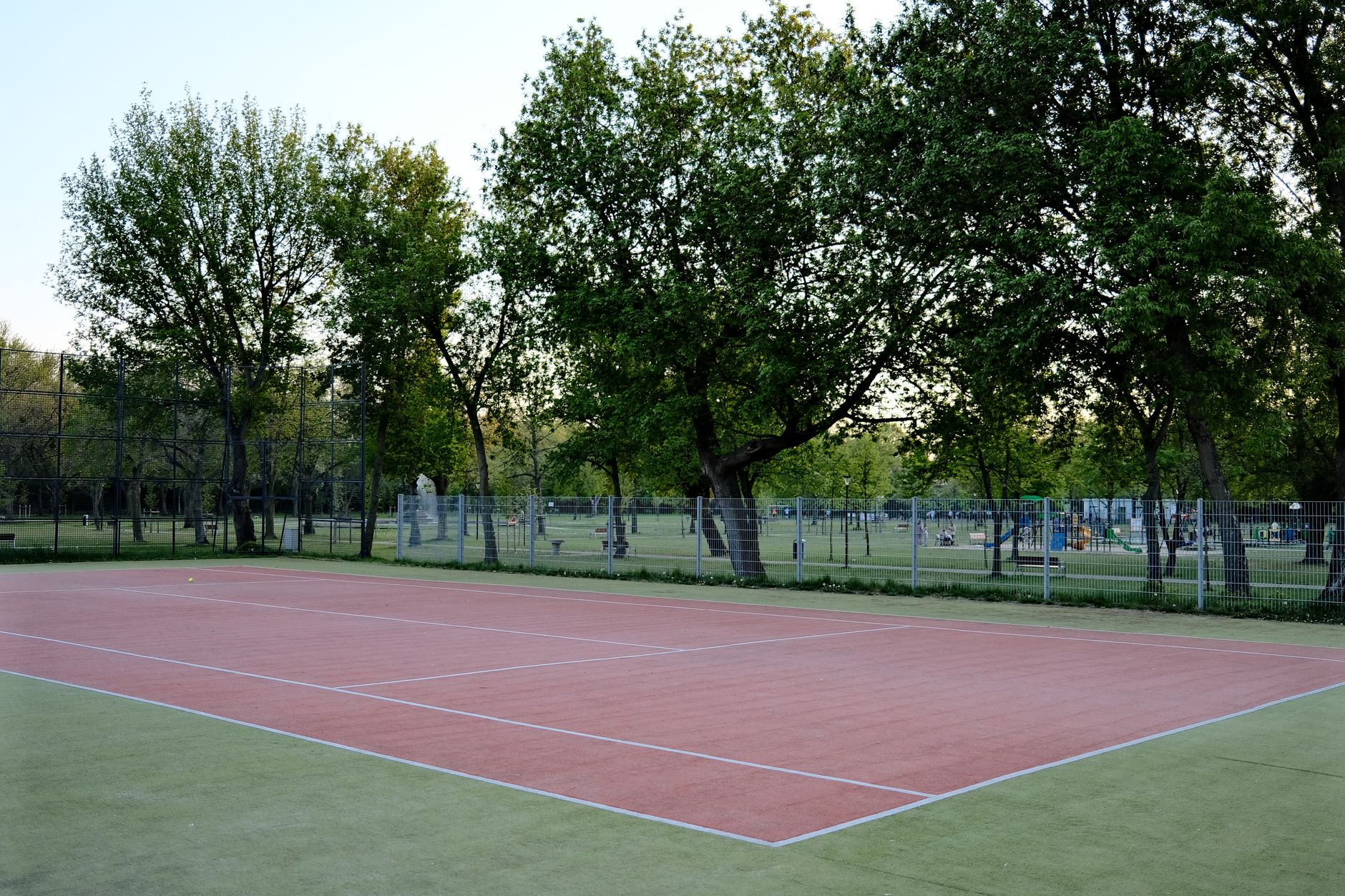
The lowest-cost way to play in Fresno is also the easiest to overlook. Roeding Park Tennis Center, inside Roeding Park near downtown, is a city-owned facility that a local nonprofit helps maintain and program. The group runs a weekly Shannon Smith tennis clinic on Friday mornings, and the courts themselves carry no membership requirement — you show up and play.
Several Fresno high schools and colleges also have courts that are open to the public outside of school hours, including the Edison High School and Fresno City College courts listed on this site's Fresno tennis courts page. The tradeoff for free is availability: no reserved start times, no lights at every location, and no guarantee a court is open when you arrive. For casual, occasional play, or for a junior who just wants reps, this is the cheapest way to find out whether you like the sport before spending on anything else.
Joining a private racquet or swim club
The next tier up is membership at a dedicated racquet or swim-and-racquet club. Sierra Sport & Racquet Club is Fresno's best-known option in this category — a family-oriented club with multiple tennis and pickleball courts, listed instructors, and a members' online booking portal for reserving court time. The club publicizes membership as its core offering rather than pay-per-visit access, so the real cost comparison is against a full calendar year of play, not a single session.
Fig Garden Swim & Racquet Club follows a similar model, pairing tennis with a swim program under one membership. These clubs don't post dues or initiation fees publicly, which is typical for membership clubs nationally — pricing is usually quoted by category (individual, family, junior) and can change seasonally, so the only reliable number is whatever the membership office quotes you this month.
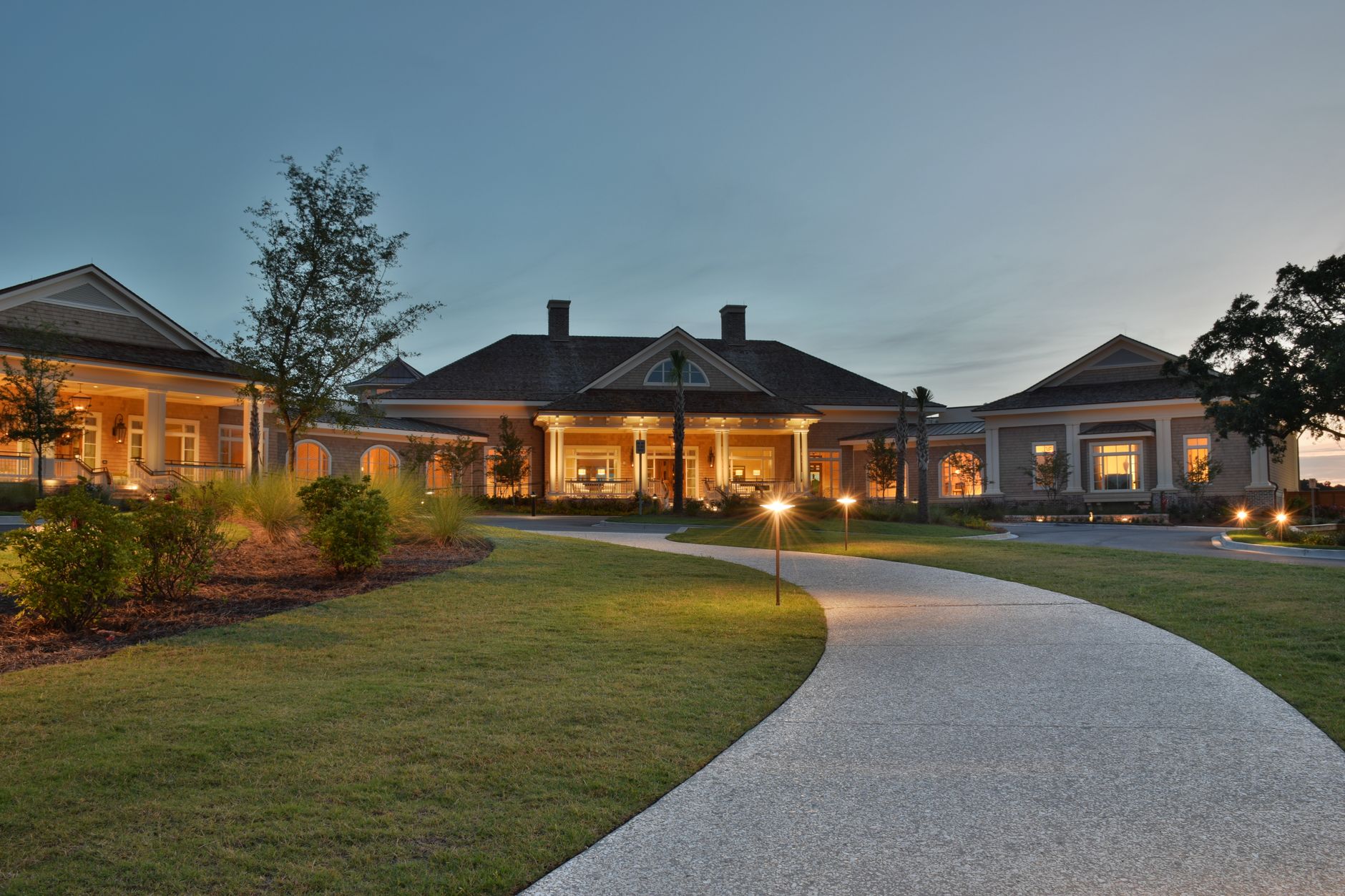
Fresno has several country clubs, but tennis isn't automatic at all of them — a few in this directory's country club listings are golf-only. Copper River Country Club is the one in this market that this directory categorizes under tennis as well as golf, so if a tennis court is a requirement, confirm that detail before touring any club, not after joining.
Country club economics work differently from a standalone racquet club: you're typically paying an initiation fee plus ongoing monthly dues that cover the whole amenity package — golf, pool, dining and social events — with tennis as one line item among many rather than the product itself. If tennis is your main interest, a dedicated racquet or swim-and-racquet club membership is usually the more direct purchase; a country club makes more sense if you also golf, swim and want a clubhouse social scene.
Private lessons and academy programs
Instruction is priced separately from court access almost everywhere, and Fresno has options at both the individual-coach and academy level. Mike Jizmejian Tennis Academy operates as an independent tennis instructor based near East Balch Avenue, offering direct coaching contact rather than a club front desk.
Fresno Tennis Academy runs its programs out of Sierra Sport & Racquet Club's courts, with two USPTA-certified coaches offering private lessons in 30- or 60-minute sessions, year-round group classes, and seasonal camps for juniors, plus bilingual instruction in Spanish. Full browse of coaching options is on the Fresno tennis instructors page.
Private lesson rates generally run higher per hour than group clinics, and camp pricing is usually quoted per week or per session rather than per hour — ask each coach directly, since neither academy publishes rates online. A reasonable rule of thumb used nationally is that private instruction costs more per hour than club dues amortized over a season, which is why many players mix a club membership (for court access) with periodic private lessons (for coaching) rather than paying a coach for court time as well.
Junior programs and camps
Families budgeting for a junior player face a slightly different cost shape than adults. Fresno Tennis Academy's model — year-round group classes plus short seasonal camps during school breaks — is typical of how junior development is sold nationally: a recurring group-class fee for the regular season, and a separate, usually higher per-week camp fee during winter, spring and summer breaks when demand for full-day supervision goes up. Bilingual instruction, as this academy offers, can matter as much as price when you're choosing a program for a young or beginning player, since comfort with the coach affects how much a junior actually improves per dollar spent.
If a junior is aiming at school or tournament play rather than recreational lessons, ask coaches directly how they price the jump from group classes to more competitive, higher-frequency training — that step up is usually where cost accelerates, and it varies by coach rather than following a fixed regional rate.
Leagues, ladders and NTRP ratings
Once court access and instruction are sorted, some players add league fees on top. USTA adult leagues are organized by NTRP rating and typically charge a modest per-player, per-season registration fee that's separate from any court or club dues — if you're new to how those ratings and leagues work, this site's NTRP ratings and USTA leagues explainer walks through the system in more detail. This directory doesn't currently list a dedicated league or association office in Fresno, so confirm current league fees and local team openings directly with USTA NorCal or with the club hosting the team, rather than assuming a flat statewide number.
Pickleball: a cheaper entry point, similar court economics
Pickleball's biggest cost advantage over tennis is on the equipment side, not the court side. A paddle is far cheaper to buy than a performance tennis racket and doesn't need restringing, which removes a recurring expense tennis players budget for. Court access, though, follows the same pattern as tennis locally: Sierra Sport & Racquet Club lists pickleball courts alongside its tennis courts under one membership, so if you're deciding between the two sports purely on facility cost in Fresno, the club-access side of the ledger is close to a wash. The full current list of dedicated pickleball courts in the area is on the Fresno pickleball courts page.
Gear and stringing
Fresno doesn't have a dedicated tennis pro shop in this directory yet, but general sporting goods retailers in the city carry rackets, paddles, balls and grips, and Roeding Park Tennis Center's listing includes a contact for racquet stringing services on site. Budget for restringing as a recurring tennis-specific cost that pickleball players simply don't have — how often depends on how much you play and how tightly you string, which a stringer can advise on when you bring a racket in.
Balls are a recurring cost either way, but a different one in scale: tennis balls lose pressure and need replacing every few sessions of serious play, while pickleballs are far more durable plastic and typically last much longer per unit. Neither cost is large on its own, but it's worth folding into the comparison if you're weighing the two sports purely on ongoing expense rather than up-front gear.
Comparing the paths
Path
What you're paying for
Where cost shows up
Fresno example
Public park courts
Nothing, or a nonprofit-run clinic fee
Your time, not your wallet
Roeding Park Tennis Center
Racquet or swim club membership
Guaranteed court access, reservations
Dues, billed regularly
Sierra Sport & Racquet, Fig Garden Swim & Racquet
Country club
Tennis bundled with golf, pool, dining
Initiation fee + monthly dues
Copper River Country Club
Private coaching
Instruction, not court time
Per-session or per-package rate
Mike Jizmejian Tennis Academy, Fresno Tennis Academy
Pickleball vs. tennis gear
Equipment only differs here
One-time paddle vs. racket + ongoing stringing
—
Choosing based on how often you'll actually play
The honest way to pick a path is to estimate how many times a month you'll realistically show up, then work backward. Someone playing once or twice a month is almost always better off at a public court with occasional lessons than paying ongoing club dues. Someone playing several times a week gets more value from a membership that includes guaranteed access and reservations, because the per-visit cost drops the more you use it. Families with juniors in competitive programs tend to end up at an academy specifically because group classes and camps are priced for repeated, structured attendance rather than drop-in play.
It's also worth separating "cost to play" from "cost to play well." A beginner who just wants a weekly hit doesn't need a club membership, a private coach, or a league registration — a park court and a cheap paddle or racket cover it. A competitive junior or an adult chasing a specific NTRP rating typically does need some combination of guaranteed court access, regular coaching and league play, which is where the costs in this guide start stacking on top of each other rather than standing alone.
None of the clubs or coaches named here publish a rate card on this page, deliberately — rates change, and a club's own quote is always more current than a directory's summary of it. What doesn't change is the structure: free public courts for occasional play, membership clubs for regular access with reservations, country clubs when tennis is one amenity among several you want, and paid instruction as a separate line item from all of the above. Start with how often you'll play, then call the two or three Fresno listings that fit that frequency and ask for this month's numbers.
Pasadena's tennis scene is a mix of city park courts, a handful of private clubs, a hotel resort, a small coaching operation, and the university courts over at…