Pickleball, Padel or Tennis: How to Choose in 2026
02 October 2026 · 8 min read
Tennis, pickleball and padel all put a racquet (or paddle) in your hand and a net in front of you, but the similarities mostly stop there. Court size, ball speed, scoring, and even how a single session is structured differ enough that picking the wrong one as a starting point can mean a frustrating first few weeks. If you're trying to decide where to spend your first few sessions — or whether to add a second racquet sport to a game you already play — here's a grounded comparison based on what's actually listed and bookable today, with real clubs and courts to check out in each.
The short version
Tennis rewards patience: points build over longer rallies, the court is the biggest of the three, and the learning curve for a reliable serve and groundstrokes is the steepest. Pickleball is the easiest to pick up in a single afternoon — smaller court, slower ball, underhand serve — which is a big part of why it's spread so fast through parks and rec centers. Padel sits in between: it's played in doubles only, inside an enclosed court where the walls stay in play, and most players say it clicks faster than tennis but has more nuance than pickleball once you get past the first few sessions. Racquetball and squash, the other two racquet sports with a real footprint in the directory, are a different animal again — fast, enclosed, singles-friendly, and more cardio-intensive than any of the net sports.
Court size and equipment: where the differences start
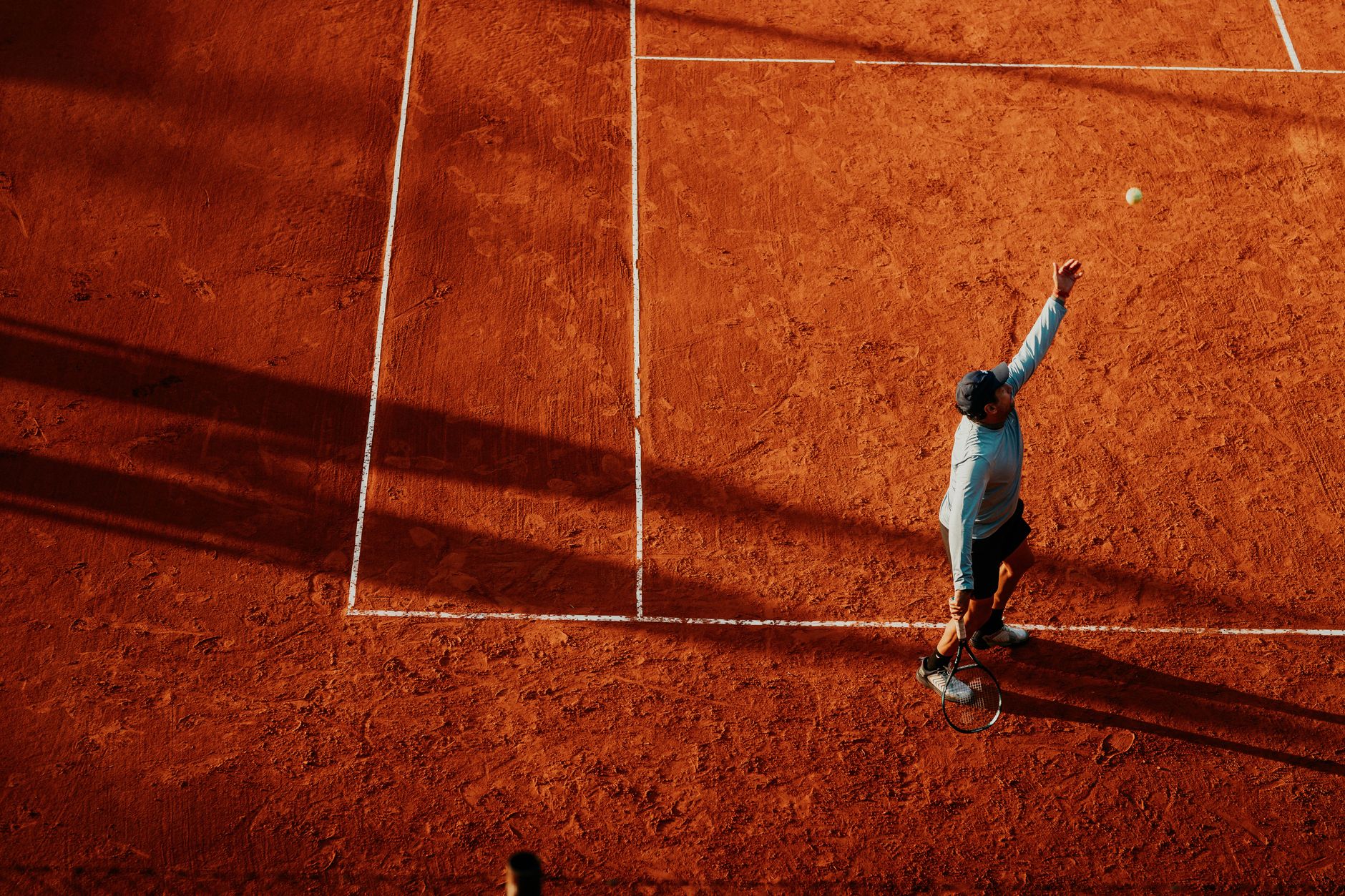
A tennis court runs 78 feet long and 36 feet wide for doubles, with players often covering several yards per shot once a rally develops. A pickleball court is a fraction of that — 20 by 44 feet, the same footprint as a doubles badminton court — which is why so many pickleball courts around the country are literally repainted or overlaid tennis courts. A padel court is enclosed, about 20 by 33 feet, surrounded by glass and mesh walls that are part of play: the ball can bounce off them and stay live, similar to squash but at a slower pace and always in doubles.
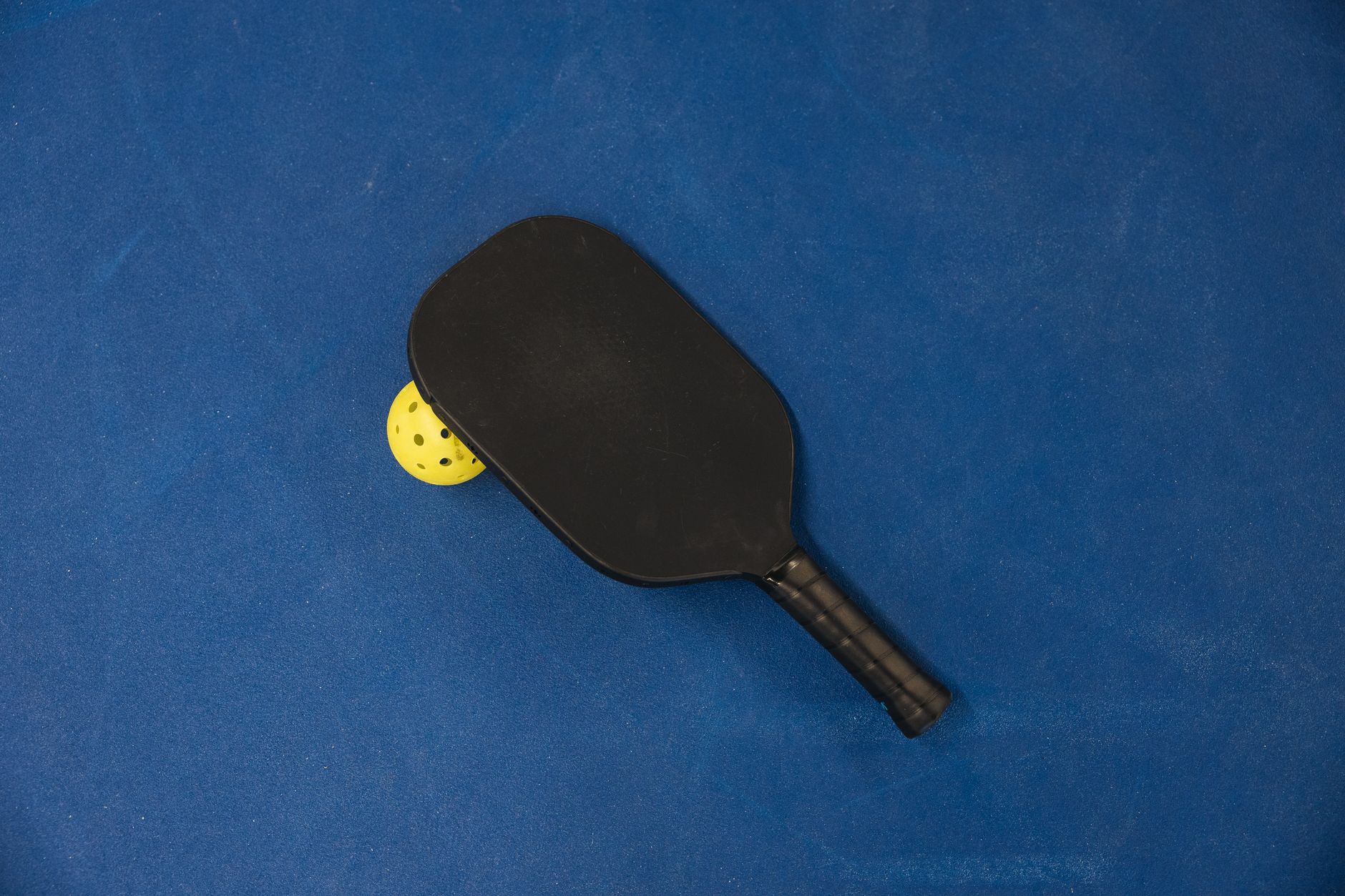
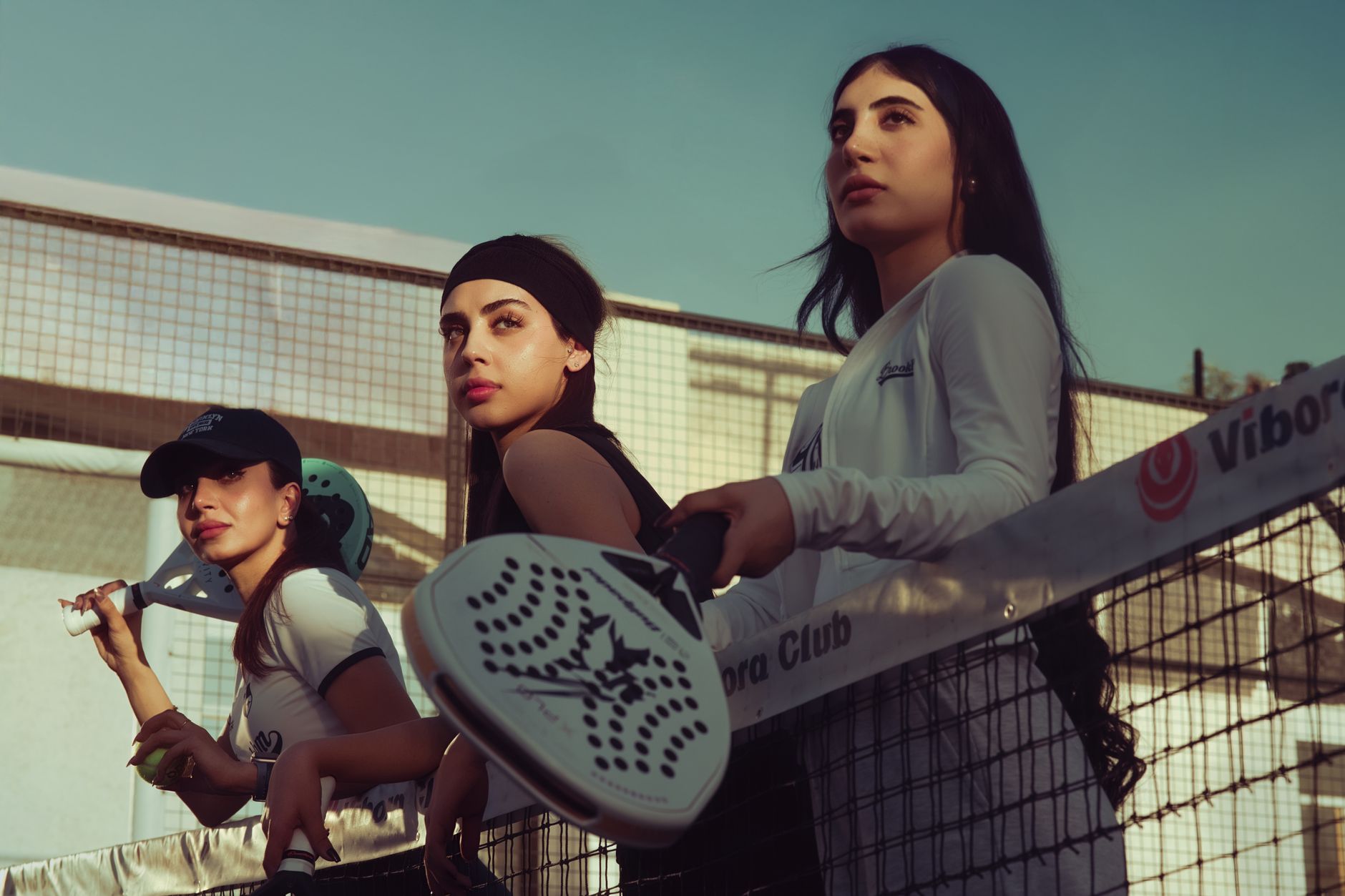
Equipment follows the same pattern. Tennis racquets are strung and sized by grip and head size, and most players eventually get particular about string tension — something any of the directory's tennis stores and pro shops can set up. Pickleball paddles are solid-faced, no strings involved, and far cheaper to replace. Padel racquets are also solid and stringless, perforated, and shorter than a tennis racquet, built for the smaller court and the reflex volleys that dominate padel rallies.
Tennis has the longest history and, unsurprisingly, the deepest inventory in the directory — public park courts, indoor centers, country clubs and dedicated tennis clubs across nearly every state covered. Mulholland Tennis Club above Laurel Canyon in Los Angeles is a members-only club that pairs tennis with swimming and dining, open 7 am to 10 pm on weekdays, and rated 4.6 from 87 reviews — a good example of the private-club model that shows up often in the directory's Los Angeles tennis clubs listings.
If you're starting from zero, a private club is rarely the right first stop — a public park court or a city-run center, often free or inexpensive to reserve, is the lower-pressure place to learn the serve and groundstrokes before worrying about membership. The directory's California tennis courts listings cover hundreds of these public options alongside the private ones.
Pickleball: the fastest on-ramp
Pickleball's appeal is almost entirely about accessibility: the court is small enough that a beginner can cover it, the plastic ball with holes moves slower than a tennis ball, and the underhand serve removes the hardest shot in tennis from the equation entirely. That's made it the fastest-growing category in the directory by listing count, and the venues range from converted park courts to dedicated indoor clubs.
Dinks & Drinks Pickleball Club in West LA holds a perfect 5.0 rating across 114 reviews and runs evening sessions several nights a week rather than being open all day — worth checking its hours before planning a visit. A few miles away, iTennis/iPickle Hollywood runs both tennis and pickleball instruction on the same Los Angeles City College courts, which makes it a practical stop if you want to try both sports without driving to two different facilities.
Pickleball Courts & Clubs · Los Angeles, California
1350 S Sepulveda Blvd, Los Angeles, CA 90025
★★★★★5.0(114)
Down in San Diego, San Diego Pickleball on Mission Bay Drive is set up specifically for reserved play, open play and lessons in what the listing describes as a resort setting, and it also carries Athletic Club and Sports Club as extra categories — a sign it offers more than just court time. It's rated 4.6 from 50 reviews and open seven days a week.
Padel is the newest of the three sports to gain real traction in the US, and almost every court in the directory is enclosed, indoor or semi-indoor, and built exclusively for doubles — there's no singles format in competitive padel. The ball is a de-pressurized, smaller version of a tennis ball, which combined with the solid stringless racquet produces slower, more controlled rallies than tennis, even though points often last longer because the enclosing walls keep the ball alive.
Bay Padel - Sunnyvale in Silicon Valley is a fully indoor club with four padel courts plus ping-pong tables, a gym, a pro shop and a snack bar on-site — open as early as 7 am and as late as 11 pm on weekdays, rated 4.6 from 45 reviews. In San Diego, Taktika Padel describes itself as the city's first padel club, books courts through the Playtomic app, and runs junior and adult programs plus social leagues alongside open court time.
Because padel courts almost always require booking through an app rather than walking up, it's worth downloading whatever platform a club uses — Playtomic is common — before your first visit rather than figuring it out in the parking lot. The directory's California padel clubs listings are still a short list compared to tennis or pickleball, but it's growing with nearly every discovery run.
Squash and racquetball: the fast, enclosed alternative
If tennis feels too slow to pick up and pickleball feels too easy once you've played a few months, squash and racquetball are worth a look — both are played in a fully enclosed, four-walled court, almost always as singles, and both demand far more running and faster reaction time than any of the net sports above. The two are closely related but not interchangeable: racquetball uses a larger, livelier rubber ball and a shorter, more flexible racquet, while squash uses a smaller, dead rubber ball that has to be kept warm with play to bounce properly, and a stiffer, longer racquet.
Squash Zone in Redwood City is rated 4.9 from 49 reviews and carries Sports Club as an extra category, open 9 am to 9 pm on weekdays — a solid example of a dedicated squash facility rather than a single court tucked inside a larger gym, which is the more common setup in the directory's racquetball and squash listings.
Court dimensions and typical setups vary by venue, and some facilities use non-standard layouts, so treat this as a general guide rather than a spec sheet for every court you'll find.
What it actually costs to start
None of these sports requires much up front. A beginner pickleball paddle, a padel racquet, or a basic strung tennis racquet are all inexpensive compared to equipment in most other sports, and public courts for tennis and pickleball are frequently free or charge only a small per-session or reservation fee through a city parks department. Dedicated padel, squash and racquetball facilities more often require either a membership, a per-session court fee, or both, since the enclosed courts are more expensive to build and maintain than an open park court. Rates vary widely by city and by club, so check the current pricing on each venue's own website or booking app rather than assuming a number that applies everywhere — the directory tracks what's listed, not live pricing.
Trying before you commit
The lowest-risk way to figure out which of these fits you is to try each one at a public or drop-in facility before buying equipment or joining anything. Many park departments loan paddles for pickleball, tennis courts are often open to walk-ons outside peak hours, and padel, squash and racquetball clubs frequently rent racquets for a first visit — ask when you call or book. If you already play one of these sports and are curious about another, look for a combined facility like iTennis/iPickle above, where you can try a second sport without switching locations entirely.
The takeaway
If you want the fastest path to a fun first session, start with pickleball at a public park court. If you're after a lifelong sport with the deepest competitive structure — leagues, rankings, junior programs — tennis is still the biggest investment of time but the widest path once you're in. If doubles with friends and an indoor, weather-proof court appeal to you, padel splits the difference nicely. And if you want the best workout of the five with the least standing around, squash or racquetball will get you there fastest. Whichever one you pick, check the directory's California racquet-sport listings for a club or court near you, and call ahead to ask about equipment rental and beginner sessions before you show up empty-handed.