
25 Sep 2026 · 8 min read
Playing Tennis in Birmingham, Alabama in 2026
A practical guide to public courts, private clubs, lessons and racquet stringing for tennis players in Birmingham, Alabama.
Birmingham Alabama neighborhood guide26 September 2026 · 8 min read
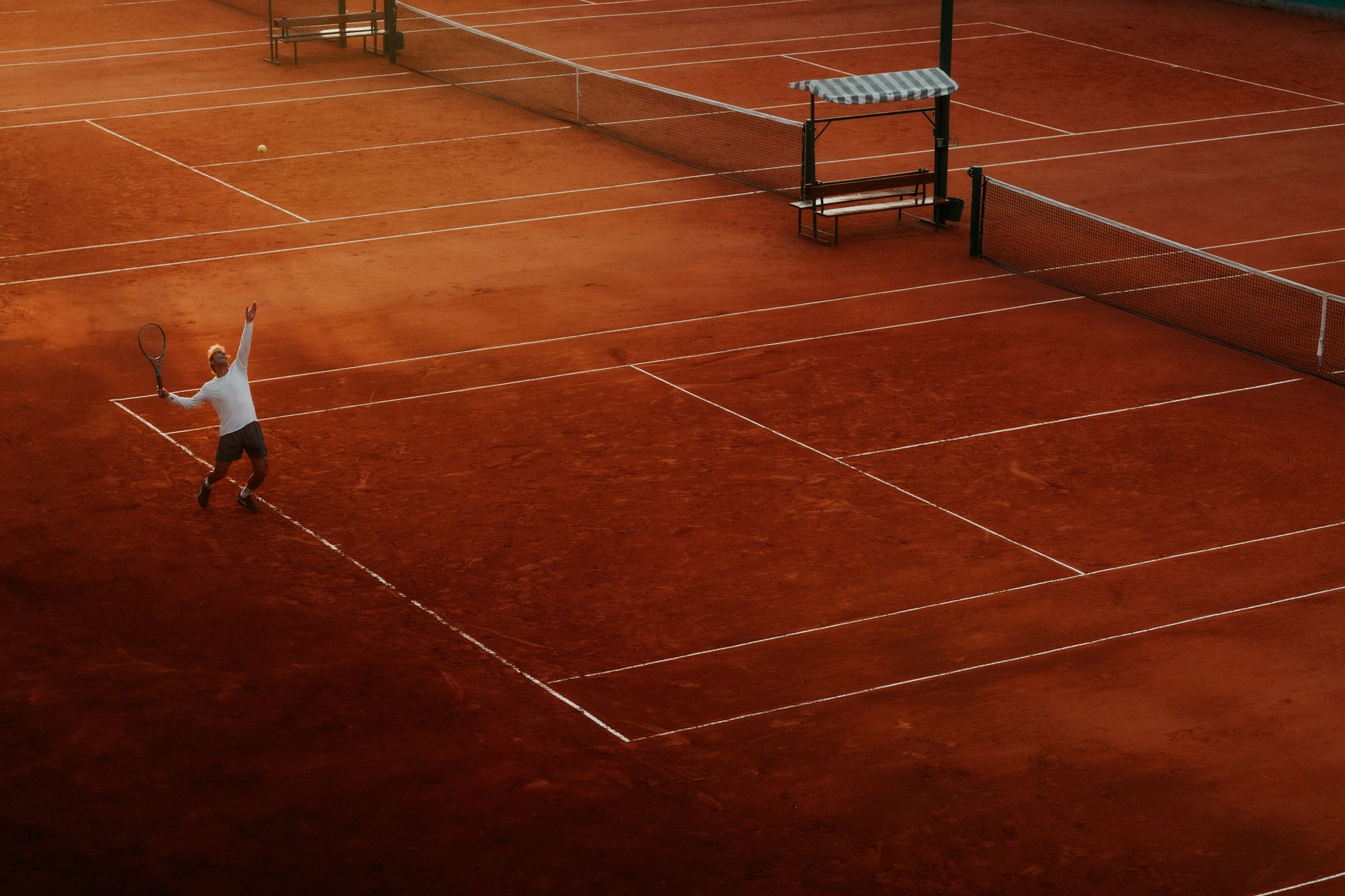
Austin's tennis and pickleball scene runs on three very different price tags: free city park courts, pay-per-hour staffed tennis centers, and private clubs with initiation fees and monthly dues that most of them don't publish. New arrivals from cities with a single municipal system are often surprised that Austin runs all three side by side, sometimes within a few miles of each other. This guide breaks down what each path actually costs, using published rates where a club or the City of Austin posts them, and telling you plainly where you'll need to make a phone call for a current quote instead of guessing.
The short version: you can start playing tennis or pickleball in Austin for free this week, or you can spend real money on a club membership — and almost nothing in between those two extremes has a price tag sitting on a website. Knowing which category a facility falls into before you show up (or call) saves a lot of wasted time.
The cheapest way to play in Austin is also the most common: walk-up courts at neighborhood parks. A court like {{biz:little-stacy-park-tennis-courts-austin}} doesn't take reservations and doesn't charge a fee — you show up, and if a court is open, you play. The tradeoff is availability and infrastructure: there's no ball machine, no guaranteed lights after dark, and no pro shop on site, so you bring your own gear and expect to share on weekend evenings when demand is highest. These courts work best for casual hitting, family play, and beginners who don't yet want to commit to a paid program or a membership conversation.
Several other neighborhood parks around the city follow the same no-fee, first-come model, often attached to a playground or a larger green space. School-adjacent public courts, such as those at Austin high schools, sometimes open to the public outside class and practice hours, but access rules vary by campus and aren't posted centrally — check with Austin ISD or the specific campus before planning a session around one, since some remain locked or reserved for team use.
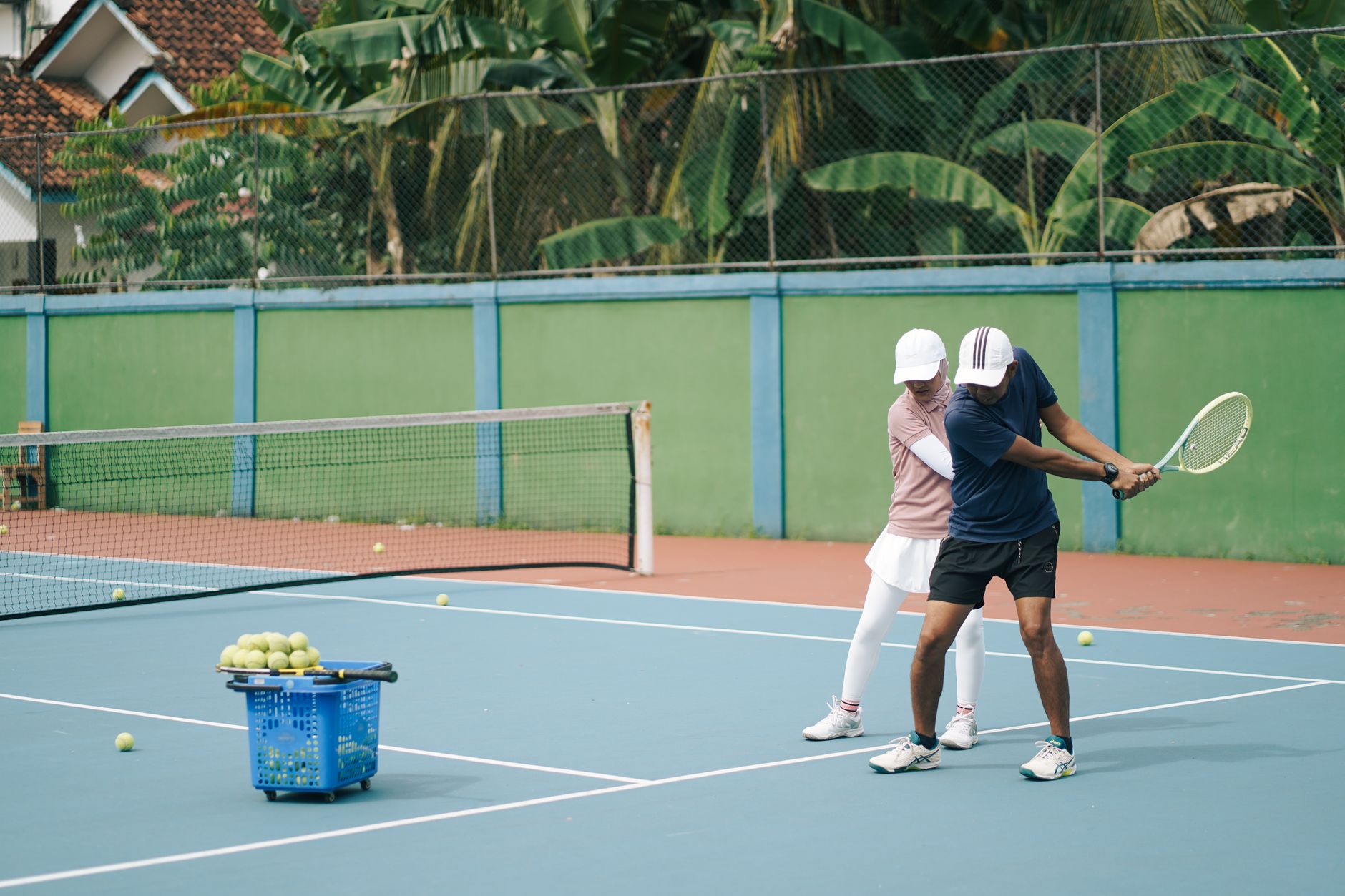
Austin's staffed, city-affiliated tennis centers sit a step up from bare park courts: they're lined, usually lighted, staffed by teaching pros, and they charge a modest per-session fee instead of monthly dues. {{biz:caswell-tennis-center-austin}} publishes one of the clearest fee schedules of any facility in the city: $3 for juniors, $4 for seniors, and $5 for adults per court reservation, plus a $22-per-hour ball machine rental on top of the court fee for players who want to practice alone rather than book a hitting partner. The center keeps long hours — 8 a.m. to 10 p.m. on weekdays and 8 a.m. to 6 p.m. on weekends — and pairs its courts with private lessons, weekly clinics for various skill levels, junior team tennis, summer camps, and a fully stocked pro shop for restringing and equipment.
{{biz:austin-tennis-center-austin}}, run through a tennis center foundation, takes a similar staffed-but-public approach at a larger scale: 10 lighted tournament courts plus 8 dual-purpose pickleball/8-and-under tennis courts, a lighted backboard, and its own pro shop, with reservations made through an online court scheduler. Its website doesn't publish a per-hour rate, so call ahead or check the scheduler for the current fee before you go — but it runs on the same public-access model as Caswell, just with more courts and a dedicated junior development program layered on top. Group classes, private lessons, leagues, and member socials are all available through the same staff.
Once you move from public courts to member clubs, published pricing mostly disappears — which is normal for membership-based facilities nationwide and not a red flag specific to Austin. {{biz:austin-country-club-austin}} is an active, well-reviewed club with real tennis programs, but like most private clubs it doesn't list an initiation fee or monthly dues on its website. Rates at clubs like this typically depend on membership category (family, individual, junior, social), whether you're buying an existing member's transfer or joining fresh, and sometimes a waiting-list position that changes the math entirely. If a club interests you, the only reliable way to get a number is to call the membership office directly and ask for the current fee schedule — check current rates rather than relying on anything you read secondhand or on a forum.
Academies sit in between public and private pricing. {{biz:austin-tennis-academy-austin}} runs a junior tennis academy with private lessons and its own pro shop, and pricing for lesson packages and camps is typically quoted per session or per multi-week package rather than posted as a flat rate on the homepage. Expect a phone call or an intake email before you get real numbers, especially for junior development tracks where cost scales with hours of coaching per week and whether you want private or semi-private instruction.
Pickleball in Austin splits along the same free-versus-paid line as tennis, but the entry point for structured play is noticeably cheaper. {{biz:austin-pickle-ranch-braker-lane-austin}}, an indoor-and-outdoor facility on Braker Lane with 16 indoor courts and 2 outdoor courts, publishes a specific new-player rate: its Greenhorn Clinic runs $10 and includes a rental paddle, court time, and a group lesson, making it one of the few verifiable price points in this entire market. Beyond that intro clinic, the facility runs on membership tiers with open-play access included, and current membership pricing — including any limited-time initiation-fee promotions the club may be running — should be confirmed directly with the club rather than assumed from what a friend paid last year or a screenshot circulating online.
For free pickleball, city recreation centers are the move. {{biz:south-austin-recreation-center-austin}} schedules open-play pickleball sessions on shared gym courts, and its listed programming doesn't carry a fee beyond standard recreation-center access, which makes it a solid on-ramp for players who want to try the sport before buying a paddle or committing to a club membership. Several other city recreation centers run similar open-play blocks on their own schedules, so it's worth checking more than one location if the nearest one's hours don't line up with yours.
If you're affiliated with the University of Texas, {{biz:ut-recreational-sports-center-austin}} bundles racquetball, squash, and pickleball access into student fees that are already paid through tuition — a strong value if you're currently enrolled, since the facility includes six racquetball/handball courts and two squash courts alongside its pickleball programming. Non-students can sometimes buy in as alumni, campus visitors, or community members, but the facility's own materials don't post that pricing publicly; RecSports directs outside members to its membership office for current day-pass and membership costs. This is a case where "check current rates" isn't a hedge — it's the only accurate answer available from what the facility itself publishes.
Court access is only part of the cost of playing regularly. Restringing and rental gear are handled through on-site pro shops at facilities like Caswell Tennis Center and Austin Tennis Academy, and rates for stringing jobs, rental racquets, and lesson packages vary by shop and by string or racquet choice, so ask for a current price list rather than assuming a flat number applies everywhere. The same goes for pickleball paddles: Austin Pickle Ranch's Greenhorn Clinic includes a rental paddle for the session, but buying your own paddle afterward is a separate purchase at whatever the pro shop or a sporting goods retailer is currently charging.
Lessons compound the same way. A single drop-in clinic at a staffed public center costs far less than a season of private junior coaching at an academy, and neither price is fixed enough to quote here reliably — both depend on the coach, the group size, and how many weeks you're booking. Treat any number you hear about lesson costs as a starting point for your own phone call, not a locked-in rate.
| Option | Type | Verified cost | What's included |
|---|---|---|---|
| Neighborhood park courts | Free public | $0 | Court access only, no lights guaranteed, no equipment |
| Caswell Tennis Center | Staffed public | $3–$5 per court reservation | Lined, staffed courts; ball machine $22/hr extra |
| Austin Tennis Center | Staffed public | Not published — call ahead | 10 lighted courts, 8 dual-purpose courts, lessons, leagues |
| Austin Pickle Ranch | Private, membership | $10 Greenhorn Clinic | Rental paddle, court time, group lesson |
| South Austin Recreation Center | Free public program | $0 for open play | Scheduled indoor pickleball sessions |
| Austin Country Club | Private, membership | Not published — call membership office | Courts, often pools, dining, full club amenities |
| UT Recreational Sports Center | Institutional | Included in tuition; other rates unpublished | Racquetball, squash, pickleball, table tennis |
Start at the free end of the spectrum before you commit money: a session or two at a neighborhood court or a recreation center's open-play block tells you whether you actually like the sport and the crowd it draws, at zero cost and with no phone call required. If you like the game but want more structure — lined courts, a pro shop, occasional lessons — Caswell's posted per-visit fee is the lowest-friction paid option in the city, since you know the exact cost before you book instead of finding out at the front desk.
Save the membership conversation for after you've decided you want a home base: leagues, guaranteed court time, and a consistent group of players are what club dues are actually buying, not just court access you can get elsewhere for a few dollars or free. If a club or academy won't give you even a ballpark range over the phone, that's a reasonable moment to ask why, or to compare it against a facility that will.
The one number worth remembering from all of this: outside of Caswell's posted $3–$5 fees and Austin Pickle Ranch's $10 intro clinic, almost every other price in this market is unpublished by design. Budget for a phone call, not just a website visit, before you sign anything.
For more options nearby, browse tennis courts in Austin, tennis clubs in Austin, pickleball courts in Austin, country clubs in Austin, and the full Austin, TX directory.
25 Sep 2026 · 8 min read
A practical guide to public courts, private clubs, lessons and racquet stringing for tennis players in Birmingham, Alabama.
Birmingham Alabama neighborhood guide
24 Sep 2026 · 8 min read
A practical path to playing tennis in San Jose: free park courts, clubs, lessons, pickleball, restringing and USTA leagues.
San Jose how-to California
23 Sep 2026 · 8 min read
A practical 2026 guide to playing tennis in Sacramento: public courts, private clubs, coaches, gear, junior programs and college courts.
Sacramento California neighborhood guide