How to Reserve Tennis & Pickleball Courts in Richmond, VA (2026)
17 October 2026 · 8 min read
Richmond, Virginia has one of the deepest rosters of tennis and pickleball options in the state: city parks with free courts, decades-old neighborhood swim-and-tennis clubs, a handful of private country clubs, and a fast-growing list of dedicated pickleball courts. The catch is that none of it is reserved the same way. A public park court works on a first-come, first-served basis or through the city's recreation booking system; a neighborhood club requires membership; a country club requires membership and usually a sponsor; and pickleball courts are split between open-access park courts and converted tennis courts with their own posted rules. This guide walks through each type, what reserving or accessing each one actually involves, and where to find lessons and gear once you're on the court.
Free public courts: parks and school courts
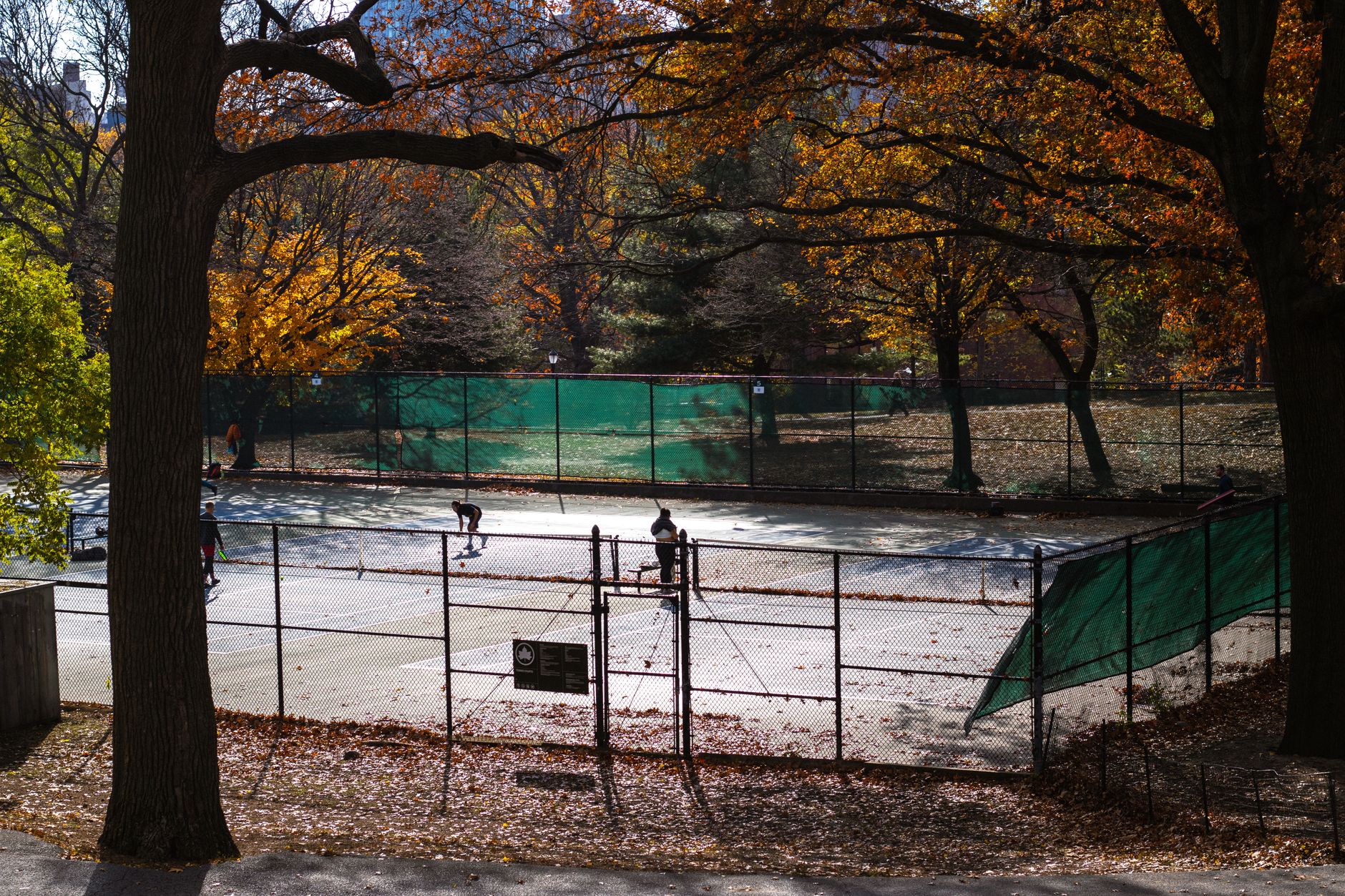
Richmond's park system carries the bulk of the city's free, walk-up tennis courts. Hotchkiss Park in the city's North Side includes tennis courts alongside its ballfields and playground, and sits next to the Hotchkiss Field Community Center, which runs recreation programming out of the same site. Other city parks with courts, including Battery Park, Petronius S. Jones Park, Bill Robinson Park and Abner Clay Park, follow the same pattern: no booking system, no fee, and courts that are open whenever the park is. The tradeoff is that you can't guarantee a court is free when you arrive, especially on weekend mornings and weekday evenings when leagues and casual groups both show up.
A few public and institutional courts sit outside the park system entirely. Thalhimer Tennis Center on West Cary Street is a dedicated tennis facility rather than a park amenity, and university courts such as the ones tied to University of Richmond IM Field serve students and, in some cases, community members through separate access rules. If a court is attached to a school or university, assume it is not open to the general public unless the listing or the school's own site says otherwise, and call ahead rather than guessing.
These clubs are membership-based, typically tied to residency in a specific neighborhood or subdivision, and courts are reserved for members and their guests rather than open to the public. If you live in or near one of these neighborhoods, a membership here is usually the most affordable route to a dependable court, since it comes bundled with pool access and is priced well below a country club. Contact each club directly for current membership terms, since none of them publish binding rate information on their Google listing and prices change by season.
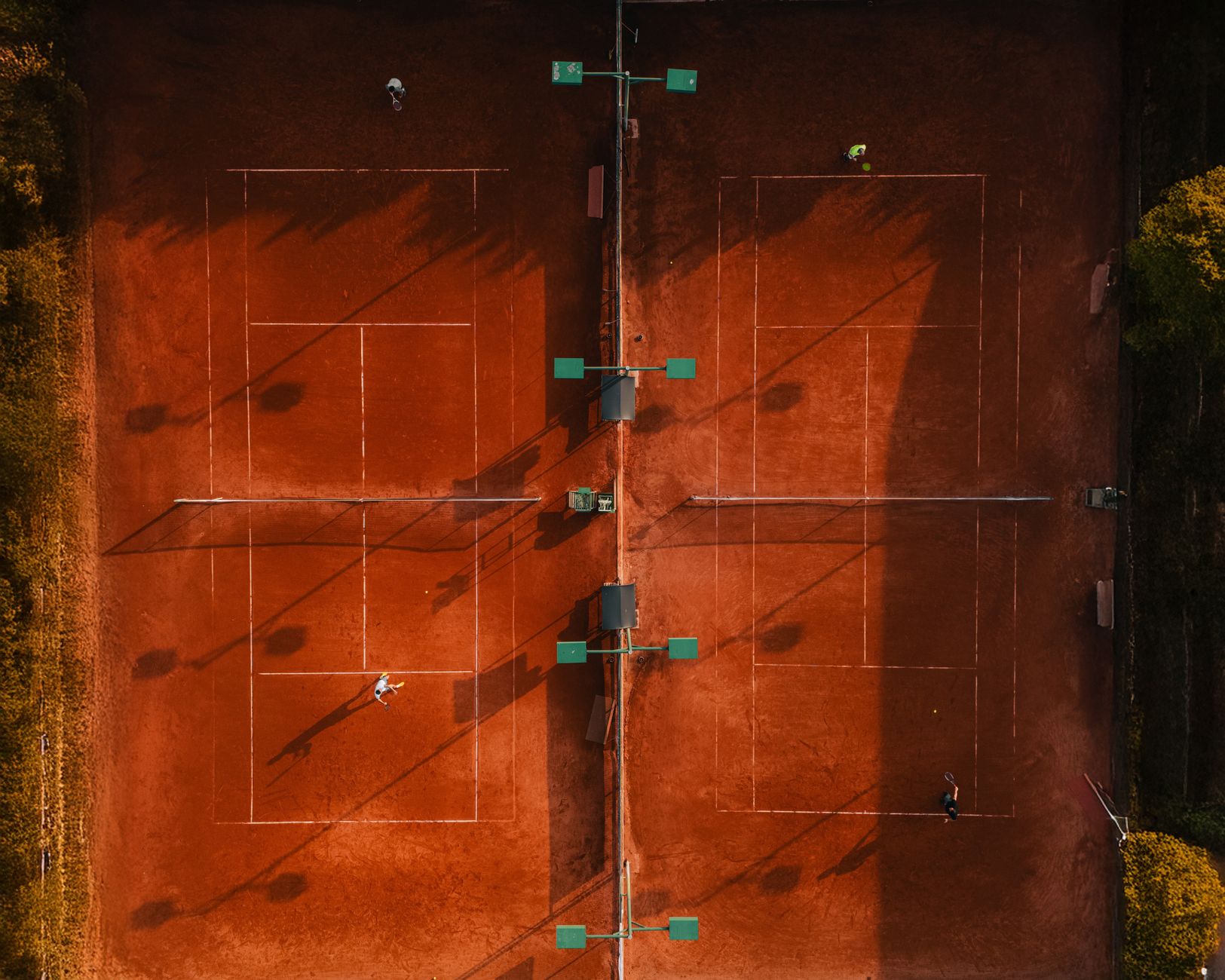
Richmond's private country clubs carry the city's most consistent, best-maintained courts, but access runs entirely through membership. The Country Club of Virginia operates across three Richmond campuses — Westhampton, James River and Tuckahoe Creek — with tennis facilities split between them. Willow Oaks Country Club in the Forest Hill area and The Commonwealth Club downtown round out the list of established club courts.
None of these clubs rent courts by the hour to the general public. Joining typically requires an application, a sponsoring member, and both initiation and ongoing dues — ask the club directly for current figures rather than relying on any number you find online, since country club pricing changes often and isn't published. What you get in exchange is a maintained surface, organized league play, and in most cases a pro on staff who can set up lessons without you needing to find an outside coach.
Lessons and junior programs
For instruction that isn't tied to a single club's membership, TennisRVA is the most visible option in the city, describing itself as a top-rated junior program that balances private lessons with group clinics; its listing shows it open daily from 9 a.m. to 7 p.m. That daily schedule makes it a practical starting point if you're trying to book a lesson around a work week rather than waiting for a single open evening slot.
University programs are a different path. University of Richmond Robins Center and the adjoining E. Claiborne Robins Stadium host the school's varsity tennis program and occasional camps, but these are collegiate facilities first, not a general-public lesson pipeline — check with the athletic department before assuming a camp or clinic is open to outside players.
West 41st Street &, 4021 Forest Hill Ave, Richmond, VA 23225
★★★★★4.7(6)
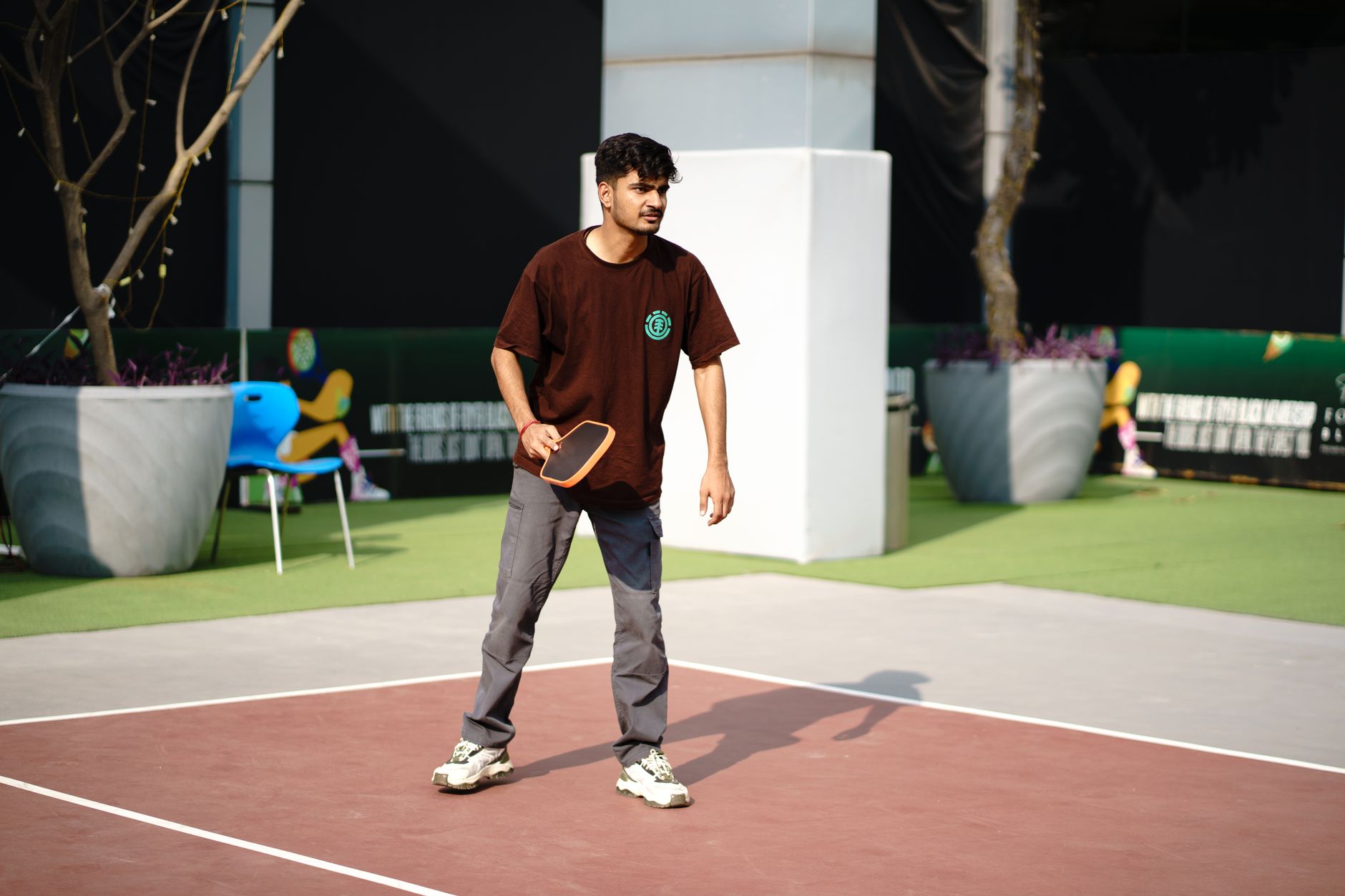
Because most of these are converted or shared-use courts, none of them take advance reservations the way a club court might; players tend to self-organize around paddle racks and waiting lines at busier sites like Huguenot Park. If a court is genuinely crowded at peak hours, the practical move is to check a second site nearby rather than waiting — Richmond now has pickleball-marked courts spread across several park systems, not just one flagship location.
Gear, restringing and used equipment
For racquets, balls and paddles, Play It Again Sports on West Broad Street buys and sells new and used sporting goods, which makes it a useful stop if you're outfitting a beginner or a junior player without buying everything new. Its listing shows it open daily, including Sunday afternoons, which is convenient if you need a quick fix or a spare paddle before a weekend session.
For racquet stringing specifically, call ahead to confirm turnaround time and string options before dropping off a racquet — a store that primarily handles resale may not string on-site every day, and clubs with a pro shop can sometimes turn a racquet around faster for members.
Step-by-step: getting on a court this week
The fastest path onto a court depends entirely on which category you're starting from, so treat these as three separate checklists rather than one process.
For a free park court: pick a park near you from the list above, go during an off-peak window (late morning on a weekday is usually quietest), and bring your own ball and racquet since none of these courts have equipment on site. If you arrive and every court is taken, Richmond's park system has enough separate sites that driving to a second one is often faster than waiting out a long line at a popular spot like Hotchkiss or Battery Park.
For a neighborhood swim-and-tennis club: start with the club's own website or phone number rather than showing up, since most require proof of neighborhood residency or an existing member to sponsor you, and the application and payment process typically takes more than a single visit to complete. Ask specifically whether tennis membership can be purchased separately from pool membership, since some clubs bundle them and others don't.
For a country club: call ahead and ask about a tour, since most require a member to sponsor an application and won't take a walk-in request seriously without one. If you don't already know a member, ask the club's front desk whether they run any guest-day or open-house events during the year — several Richmond clubs do, and it's the easiest way to see the courts before committing to an application.
Etiquette and what to bring
Richmond's climate adds a few practical wrinkles that don't come up everywhere. Summers run hot and humid, so bring more water than you think you'll need for an outdoor session, and expect afternoon thunderstorms in summer to clear courts with little warning — check a weather app before driving to a park court rather than after you arrive. Winters are mild enough that outdoor play continues through most of the cold season, but courts can stay wet and slippery for a day or two after rain or a rare snow, so test the surface before playing hard.
On shared park courts, the standard etiquette is the same as anywhere else: cap casual play at one set if others are waiting, keep noise down near residential-adjacent parks like Avalon's neighborhood, and don't block a court with a bag or cone to "reserve" it while you're not on it, since none of Richmond's free courts recognize that as a valid hold.
Matching the court to how you want to play
The table below lines up the four main paths by what you can expect to pay in time and money, and who each one tends to suit best.
Court type
Access
Typical cost
Best for
Public park courts
Walk-up, first-come
Free
Casual, flexible-schedule players
Neighborhood swim-and-tennis clubs
Membership, often residency-based
Moderate dues (check current rates)
Families wanting a pool plus courts
Country clubs
Membership, usually sponsored
Higher dues plus initiation (check current rates)
Competitive and social players wanting consistency
Pickleball courts (park-based)
Walk-up, first-come
Free
Pickleball players at any level
Putting it together
If you're new to Richmond and just want to hit a ball without committing to anything, start at a park court near your neighborhood — Hotchkiss Park, Battery Park and Petronius S. Jones Park are all reasonable starting points depending on where you live, and the browsable Richmond, VA directory page lists the rest by category. If you want lessons on a predictable schedule, TennisRVA's daily hours make it easier to book around a job than a club-only pro would be. And if you're chasing more reliable court availability than a park can promise, a neighborhood swim-and-tennis membership is the more affordable step before a country club, not the other way around.