


12 Oct 2026 · 7 min read
Tennis and Pickleball in Atlanta, GA: A 2026 Guide
A 2026 guide to tennis, pickleball and padel in Atlanta: city tennis centers, swim-and-tennis clubs, country clubs, coaches and gear.
Atlanta Georgia neighborhood guide13 October 2026 · 9 min read
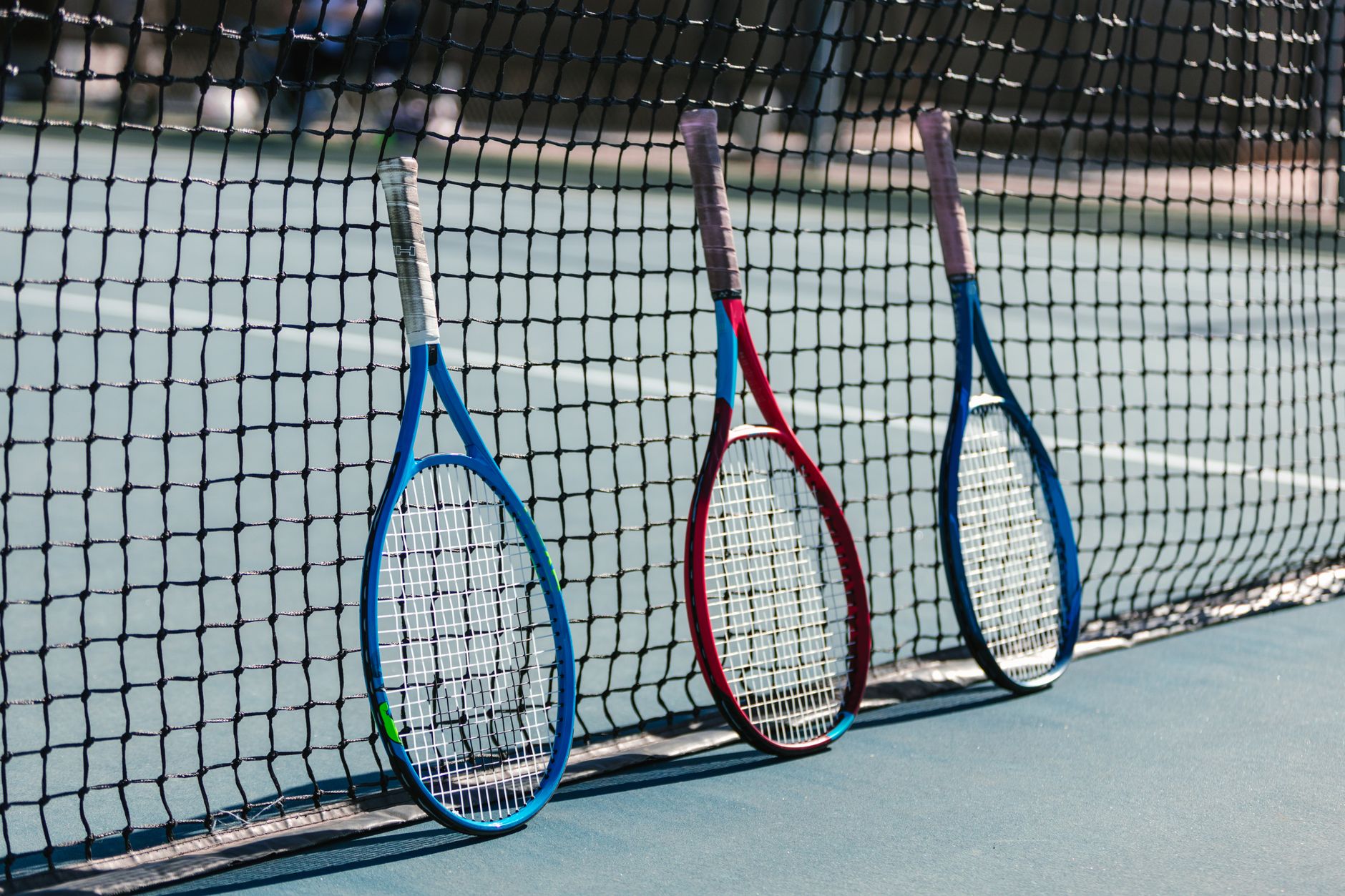
Walk into any tennis shop and the wall of racquets looks the same from ten feet away: narrow frames, bright paint jobs, prices from $60 to $300. The differences that actually matter — head size, weight, balance, string pattern, and what's strung inside them — only show up once you start asking questions. Get those answers wrong and you end up with a frame that's either too demanding for your swing or too forgiving to let you improve. Get them right, paired with a stringer who actually asks about your game before picking a string, and the racquet disappears into the background where it belongs.
This guide walks through what to look at before you buy, what string pattern and tension actually change, and how to find a shop — not just a website — that will fit you properly and restring the racquet when it needs it. None of this requires spending more money than you already planned to; it mostly means asking better questions before you hand over a card.
Before head size or brand, the first question any good shop should ask is how you play. A junior still building strokes, an adult beginner, a 4.0 league player, and someone coming back from tennis elbow all want different things from the same piece of graphite. Swing speed matters more than most buyers expect: a fast, full swing generates its own power and benefits from a smaller, heavier, more head-light frame that rewards timing with control. A shorter or slower swing needs the racquet to supply more of the power itself, which points toward a larger head and more head-heavy balance.
This is also where buying online by spec sheet alone falls short. A shop that lets you hit with a few frames before committing — rather than just reading the numbers off a box — is worth the extra time, especially for your first "real" racquet purchase.
Head size is usually given in square inches, and it is a trade-off between power and control, not an upgrade path. A smaller head (around 95–98 sq in) has a tighter sweet spot and transmits more feel, which better players use to place the ball precisely. A larger head (100–107 sq in) is more forgiving on off-center hits and generates more pop with less swing, which is why most beginner and recreational frames sit in that range.
Weight and balance work the same way. A heavier frame plows through the ball and absorbs shock better, which is easier on the arm over a long match, but it's tiring to swing all day if you're not used to it. A head-light balance (weight toward the handle) makes the racquet feel quicker through the swing; head-heavy balance adds stability and power on contact. None of this is right or wrong — it's a question of what your arm and your strokes can actually repeat for two hours.
String pattern is the other spec worth understanding before you buy, and it's easy to miss because it's printed in small type on the throat of the frame. An open pattern (fewer main and cross strings, more space between them) lets the ball bite the strings more, which generates easier spin and a slightly softer feel. A dense pattern packs the strings closer together, which trades some spin potential for more control and, generally, longer string life since there's less room for the strings to shift and notch each other. Players who rely on heavy topspin to keep the ball in often prefer open patterns; players who already generate plenty of spin and want predictability on contact often prefer dense ones.
Because none of those trade-offs can be judged from a spec sheet, a demo program is one of the most useful things a local shop offers. Racquetstore.com in San Jose, California, a family-owned pro shop open since 2008, runs a demo program and sells racquets, shoes, bags and apparel alongside its restringing service — their site notes customers can test several frames before buying. Classic City Racquet Sports in Athens, Georgia, also runs a demo program on top of stringing and customization work for tennis, racquetball, badminton and squash racquets, so you can compare frames across more than one sport if you play several.
Tennis Stores & Pro Shops · San Jose, California
Tennis Stores & Pro Shops · Athens, Georgia
If your area doesn't have a shop with a formal demo program, ask anyway — many stores will loan a floor model for a week if you're seriously comparing two or three frames.
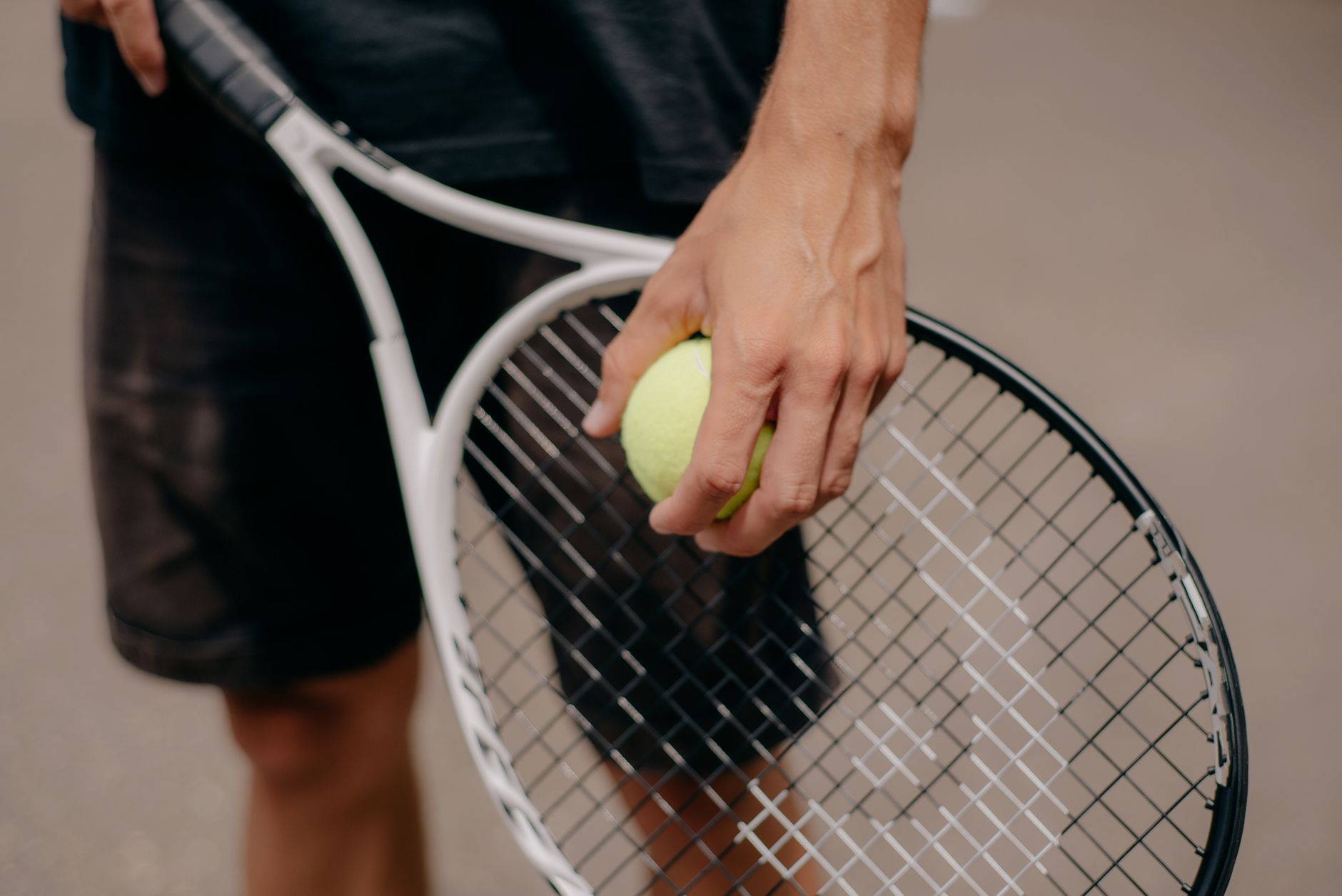
It's easy to treat strings as an afterthought, but the string and the tension it's strung at change how a racquet plays more than most frame swaps do. Four materials cover most of what recreational and competitive players use:
| String type | Feel | Durability | Best for |
|---|---|---|---|
| Synthetic gut | Soft, lively | Moderate | Beginners, first-time buyers, all-around play |
| Multifilament | Soft, arm-friendly | Moderate | Players managing arm or elbow discomfort |
| Polyester (poly) | Firm, controlled | High | Players with faster, longer swings who want spin and durability |
| Natural gut | Softest, most feel | Lower in humidity/heat | Advanced players prioritizing feel and touch |
Tension works independently of material: stringing looser generally adds power and feel, stringing tighter adds control and a firmer response. A shop that asks about your arm, your swing, and how often you play before recommending a tension — rather than defaulting to "the middle of the range" — is doing the job properly.
Many players also mix strings, known as a hybrid setup: a firmer polyester in the mains (the vertical strings, which do most of the spin and durability work) paired with a softer synthetic gut or multifilament in the crosses for comfort. It's a reasonable middle ground if you want some of poly's control and durability without the stiffer feel of a full polyester bed, and most stringers can set one up without a special order.
A racquet is only as good as its most recent string job, and strings lose tension and playability over time whether or not they break — a rough rule of thumb is to restring about as many times a year as you play per week. That makes a reliable local stringer worth as much as the racquet itself.
Irvine Tennis in Irvine, California, located in the Orange Tree Square Shopping Center, is rated 4.8 from 116 reviews. Westwood Sporting Goods near UCLA in Los Angeles has built a following in that neighborhood for equipment and service. On the East Coast, Tennis Village in Pittsburgh's Shadyside neighborhood says it has served the greater Pittsburgh area for almost 50 years, and Advantage Tennis Inc in Westbury, New York, is a dedicated tennis store rated 4.9 from 68 reviews.
Tennis Stores & Pro Shops · Irvine, California
Tennis Stores & Pro Shops · Los Angeles, California
Tennis Stores & Pro Shops · Pittsburgh, Pennsylvania
Tennis Stores & Pro Shops · Westbury, New York
You can browse more options on the tennis stores and pro shops category page for Irvine, or check listings in Los Angeles and Pittsburgh directly.
There's no fixed replacement schedule, because it depends more on how often you play than on the calendar. A common rule of thumb among stringers is to restring as many times a year as you play per week — someone hitting three times a week looks at roughly three restrings a year, even if the strings never actually snap, because tension and feel fade well before most strings break. Playing on a poly string that's gone dead and over-tight is a common, avoidable way to aggravate an elbow.
Pricing varies by shop, by string, and by region, and a page like this one shouldn't guess at numbers that change city to city — check current rates directly with a shop like the ones listed above, and ask whether the price quoted includes the string itself or just labor, since shops split that differently.
Grip size is the detail most new buyers skip and most experienced players obsess over. A grip that's too small forces you to squeeze harder to control the racquet, which contributes to arm fatigue and, over time, elbow problems. A grip that's too large restricts wrist snap on serves and can make the racquet feel heavier than it is. Most adult frames come in a range of standard sizes, and a shop fitting you in person — checking where your fingers land when you wrap your hand around the handle — will get this right faster than guessing from a height-and-hand-size chart online.
Overgrips (the thin wrap on top of the factory grip) are inexpensive and worth replacing regularly — a fresh one restores tackiness and a dry, slipping grip is both uncomfortable and a safety issue on a fast swing.
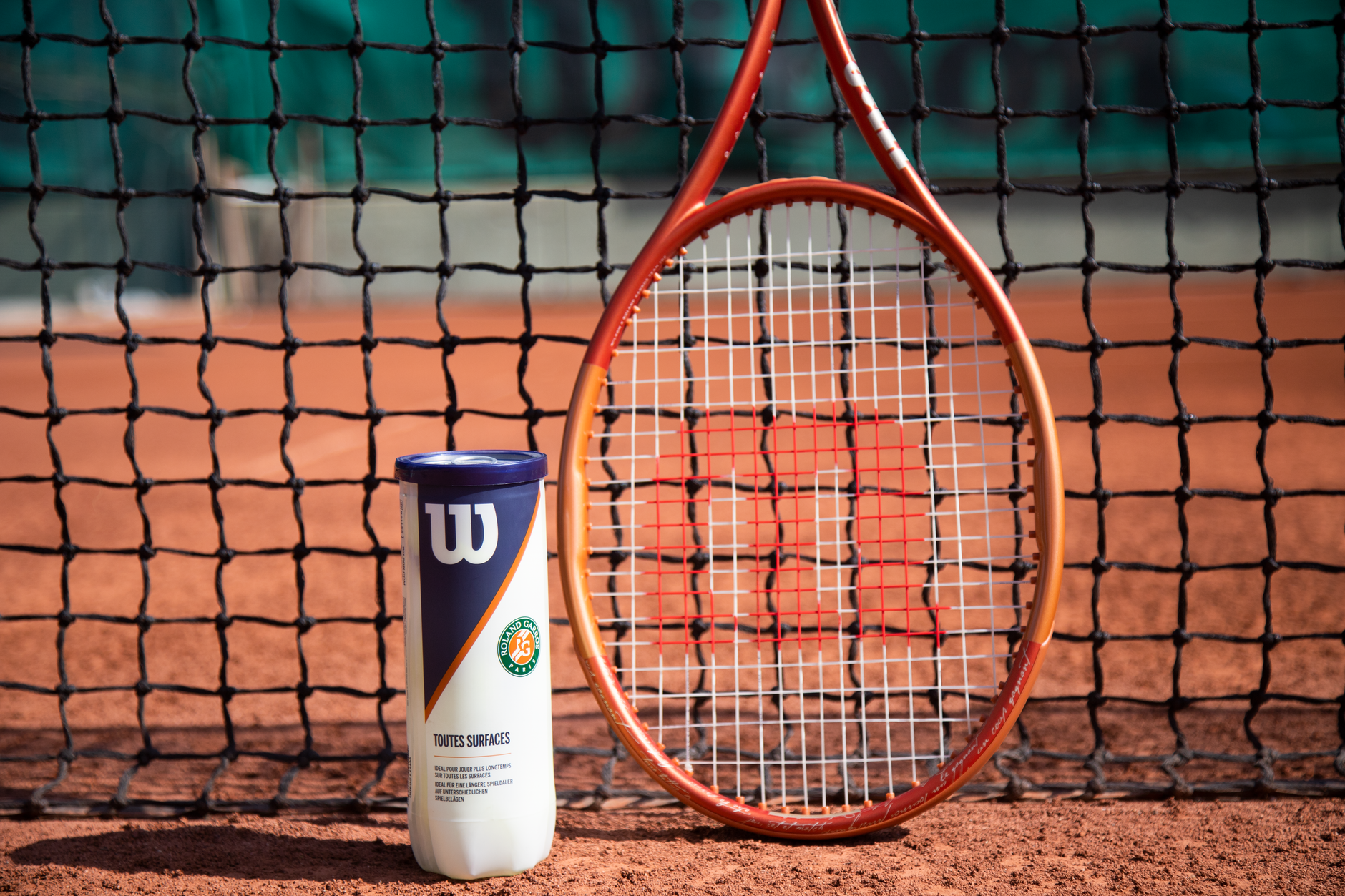
Junior racquets scale down in length and weight so a child isn't fighting a full-size adult frame, and sizing is based more on the player's height and strength than age alone — a good shop will have a child swing a couple of options rather than going by a chart. For high school and club teams ordering in bulk, Tennis Outlet in Lubbock, Texas, has specialized for more than a decade in group uniform orders for teams, coaches and athletic departments, alongside selling racquets and apparel from brands including Nike, Babolat, Under Armour and Adidas.
Tennis Stores & Pro Shops · Lubbock, Texas
If you're outfitting a whole roster rather than one player, it's worth calling ahead — team and bulk orders are a different conversation than a single walk-in sale.
A good fitting doesn't have to take long, but it should cover a few things: your current racquet (if you have one) and what you do and don't like about it, your swing style and how often you play, any arm or wrist history, and whether you want to demo before committing. If a shop skips straight to showing you the newest model on the wall without asking any of that, it's worth pushing the conversation back to your game first.
Stringing visits are simpler but still worth a real conversation — tell the stringer your current string, tension, and how it played (too stiff, strings moved too much, broke too fast) so they can adjust rather than just duplicating the last job exactly.
Pick the frame for your swing, not for the name on it — demo it if you can. Then treat the string and tension as a separate decision from the frame, because it changes the racquet's feel just as much. Find a local shop that will fit your grip, let you test before you buy, and talk through tension rather than defaulting to a number, and the equipment stops being something you think about mid-match.
Looking for a shop near you? Browse tennis stores and pro shops by city, or check the directory's full listings for Athens, Georgia and Westbury, New York.
12 Oct 2026 · 7 min read
A 2026 guide to tennis, pickleball and padel in Atlanta: city tennis centers, swim-and-tennis clubs, country clubs, coaches and gear.
Atlanta Georgia neighborhood guide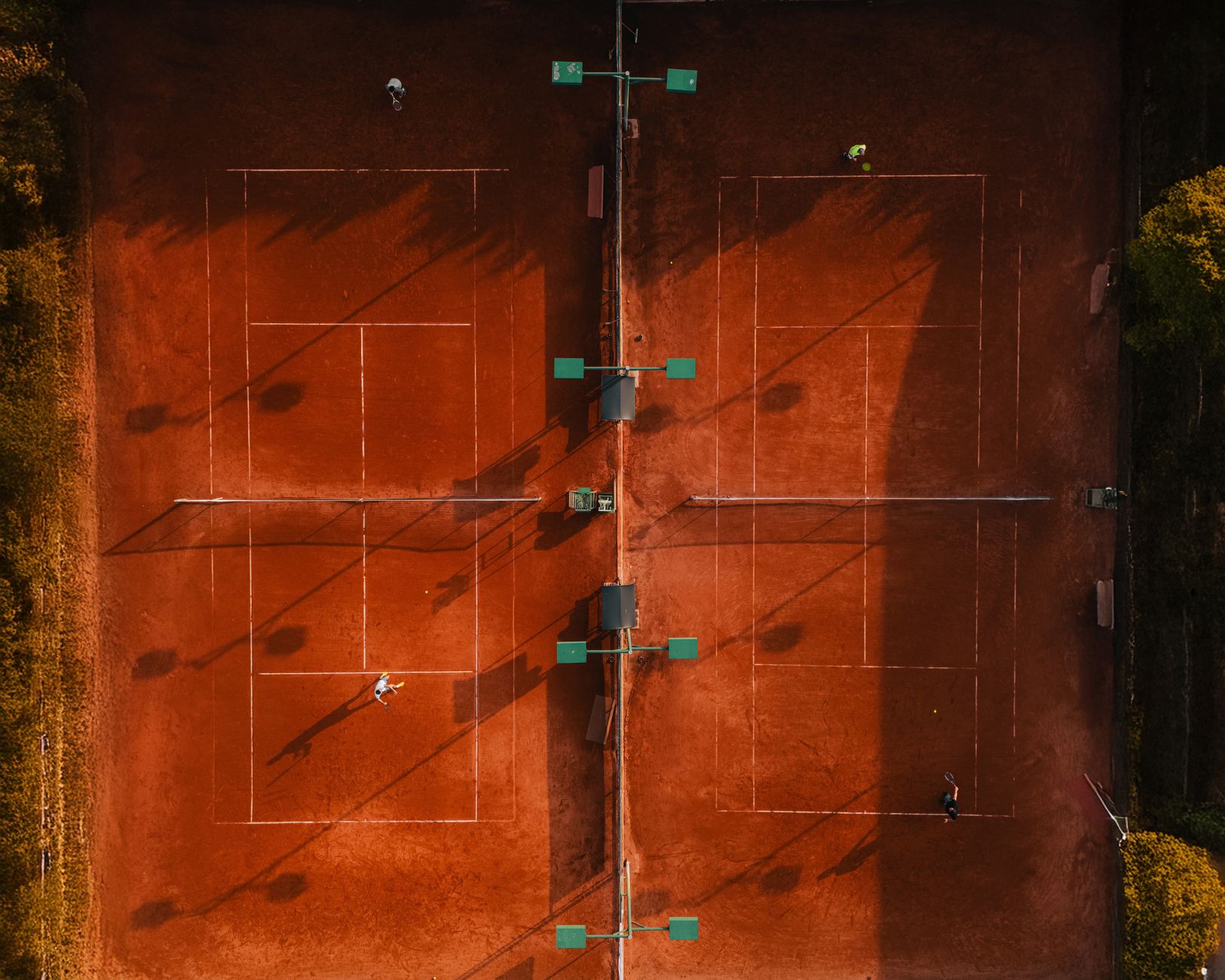
11 Oct 2026 · 8 min read
A 2026 guide to tennis and pickleball in Oakland: free park courts, hills country clubs, a new pickleball scene, lessons and pro shops.
Oakland California neighborhood guide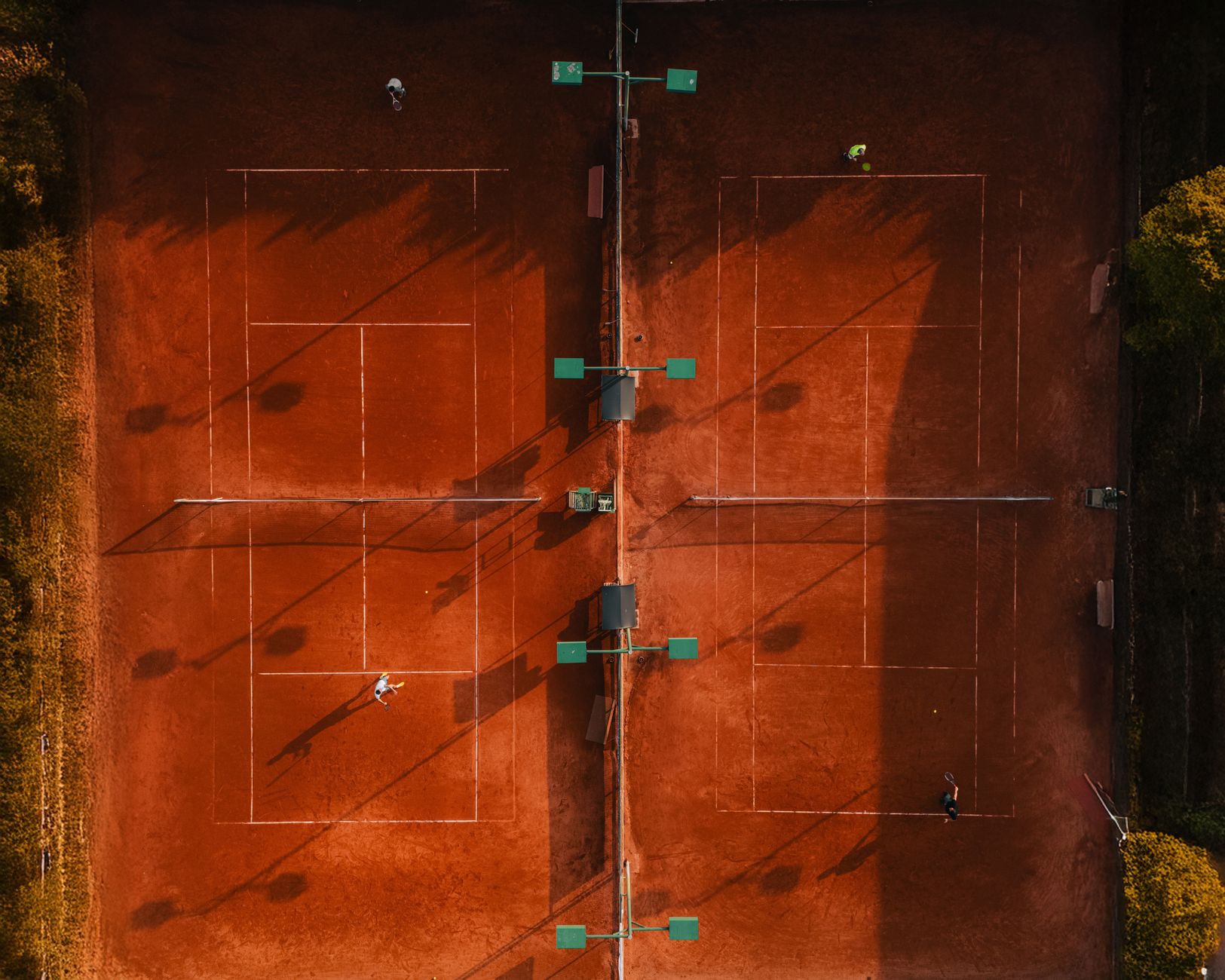
10 Oct 2026 · 7 min read
A practical 2026 guide to public courts, clubs, pickleball and leagues in Dallas, from free city courts to private country clubs.
Dallas Texas how-to